

Written by Tiffany, Style Contributor at Suits & More
Tiffany covers men's footwear, accessories, and outfit styling for Suits & More. She helps men build wardrobes where every piece works harder - and walking suits are one of the best tools for that.
Last updated: August 2026
A walking suit already does more work than most pieces in a man's wardrobe - it is a complete, coordinated outfit in a single purchase. But the men who get the most out of their walking suits are the ones who know how to combine them with what they already own, style them across different occasions, and adapt them through the seasons. That is where real wardrobe versatility comes from.
This guide covers the principles and the practical details - how to assess what you own, how color and pattern coordination works with walking suits, how to dress them up or down for any occasion, and what a complete outfit looks like for each season of the year.
What Makes a Walking Suit So Easy to Work With
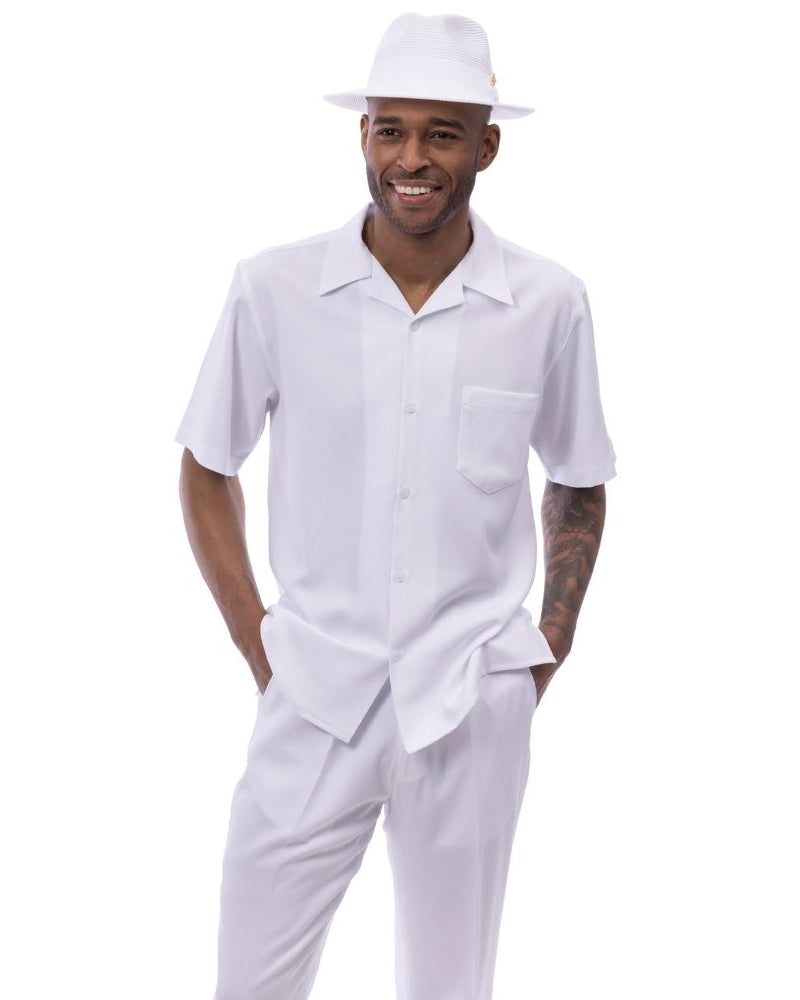
A walking suit is a two-piece coordinated set - a matching shirt and trousers designed to be worn together as a complete outfit. The coordination is already built in, which gives you a strong visual foundation to work from rather than starting from scratch with separates. That foundation is what makes mixing and matching so straightforward: the suit provides the base, and everything you add around it either elevates or simplifies the look depending on the occasion.
Walking suits come in a wide range of fabrics - lightweight poly blends for warm weather, heavier constructions for cooler months - and in colors that span from classic neutrals to bold statement tones. The neutral-colored suits in your rotation are the most versatile starting points for mixing and matching, because they pair with the widest range of accessories and outerwear you already own. Bold colored suits are stronger as standalone statements but still reward the right accessory choices.

Assessing Your Existing Wardrobe First
Before mixing and matching, take a clear look at what you already own. The goal is to identify the pieces that will coordinate naturally with a walking suit rather than fight against it.
Identify your anchor pieces. These are the items you reach for consistently - a reliable pair of shoes, a go-to hat, a belt in a neutral color. These are the pieces that will bridge your walking suit to the rest of your wardrobe. If your shoe collection runs mostly to black and tan leather, those are the colors to build your walking suit combinations around.
Understand your color palette. Look at what colors dominate your existing wardrobe. If you own a lot of navy and grey clothing, a walking suit in a complementary tone - burgundy, white, tan - will integrate immediately. If your wardrobe runs toward earth tones, a green or cognac walking suit fits naturally. The point is to choose walking suits that extend rather than conflict with the color direction of your existing wardrobe.
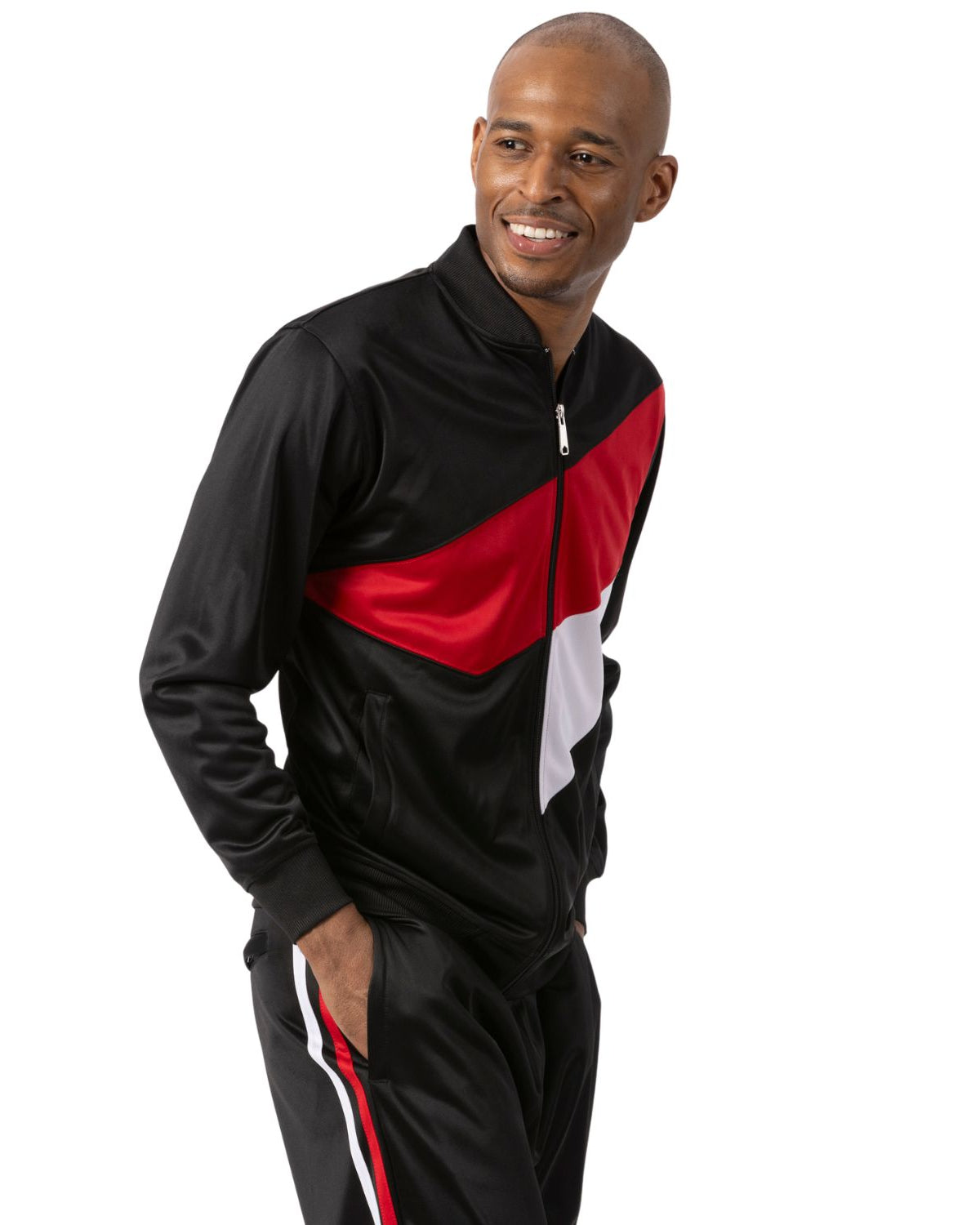
Note the pattern landscape. If you own a lot of solid clothing, a patterned or color-block walking suit gives you a strong statement piece with minimal coordination effort needed around it. If your wardrobe already includes patterns, a solid walking suit in a neutral color is the most flexible addition.
Core Principles of Color Coordination
Neutrals first. A walking suit in black, white, navy, grey, or tan is the most versatile starting point for mixing with existing wardrobe pieces because neutrals coordinate with the broadest range of accessories, shoes, and outerwear. If you are building your walking suit wardrobe, start with one or two neutral-colored suits before moving into bolder colors.
Complementary colors for accessories. When the walking suit is a solid color, accessories in a complementary or contrasting tone add visual interest without creating conflict. A burgundy walking suit pairs naturally with gold or tan accessories. A navy walking suit pairs with white, silver, or tan. A white walking suit is the most flexible base - almost any accessory color works alongside it.
Mixing patterns requires a scale difference. If your walking suit has a built-in pattern - a stripe, a check, or a texture - any additional patterned pieces you introduce should differ significantly in scale. A fine-stripe walking suit alongside a subtly checked accessory works because the patterns do not compete directly. Two bold patterns at the same scale create visual noise. When in doubt, pair a patterned walking suit with solid accessories and let the suit's pattern do the work.
Match formality across all pieces. A walking suit in a rich, dark color reads as semi-formal. The shoes, accessories, and outerwear you pair with it should match that register. A dark navy walking suit alongside athletic sneakers and a casual cap creates an inconsistency that reads as unresolved. The same suit with clean loafers and a structured fedora reads as intentional and sharp.

Styling Walking Suits for Different Occasions
Casual outings. A lighter colored or brighter walking suit worn with clean sneakers or slip-ons and minimal accessories is one of the easiest casual looks to put together. The coordinated set already reads as more put-together than most casual clothing combinations, so you do not need to work hard around it. A simple watch and a cap in a complementary color is enough to complete the look.
Business casual. For office environments, client meetings, or professional social occasions, a walking suit in a neutral or muted tone paired with clean leather loafers, a matching belt, and a structured hat reads as professional and intentional. Skip the casual cap and sneakers in favor of leather footwear and a watch, and the same suit you wore casually on the weekend reads as sharp and business-appropriate on Monday.
Formal and semi-formal events. For events, dinners, weddings, or occasions with a dress code, elevate the walking suit with dress-weight accessories. Leather dress shoes or structured lace-ups, a silk pocket square, a structured fedora, and a clean watch create a complete formal look from a walking suit base. Choose the suit's richest, deepest color for formal occasions - navy, burgundy, black, or a deep jewel tone - over lighter casual colorways.

Accessorizing to Change the Look
Accessories are the most efficient tool for shifting a walking suit from one occasion register to another without changing the suit itself. The same walking suit can read as casual, smart casual, or semi-formal depending entirely on what you put with it.
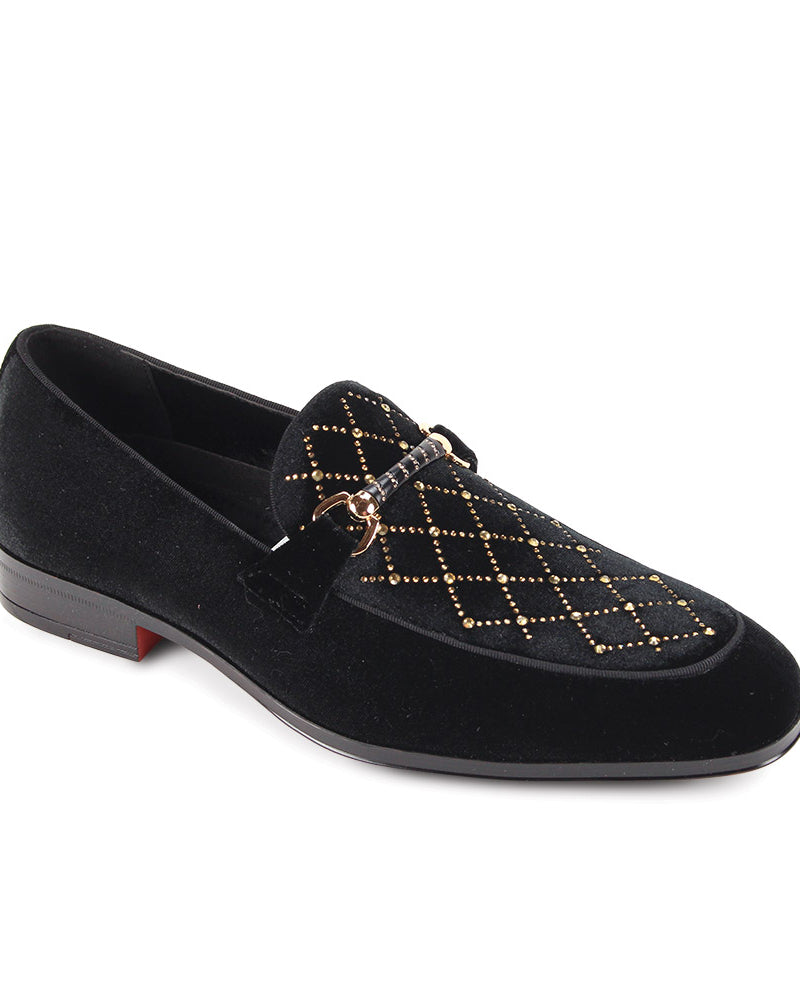
Shoes determine the formality level more than any other single accessory. Sneakers push the look casual. Loafers and slip-ons hit smart casual. Leather dress shoes and lace-ups push formal. Match the shoe color to the belt - always.
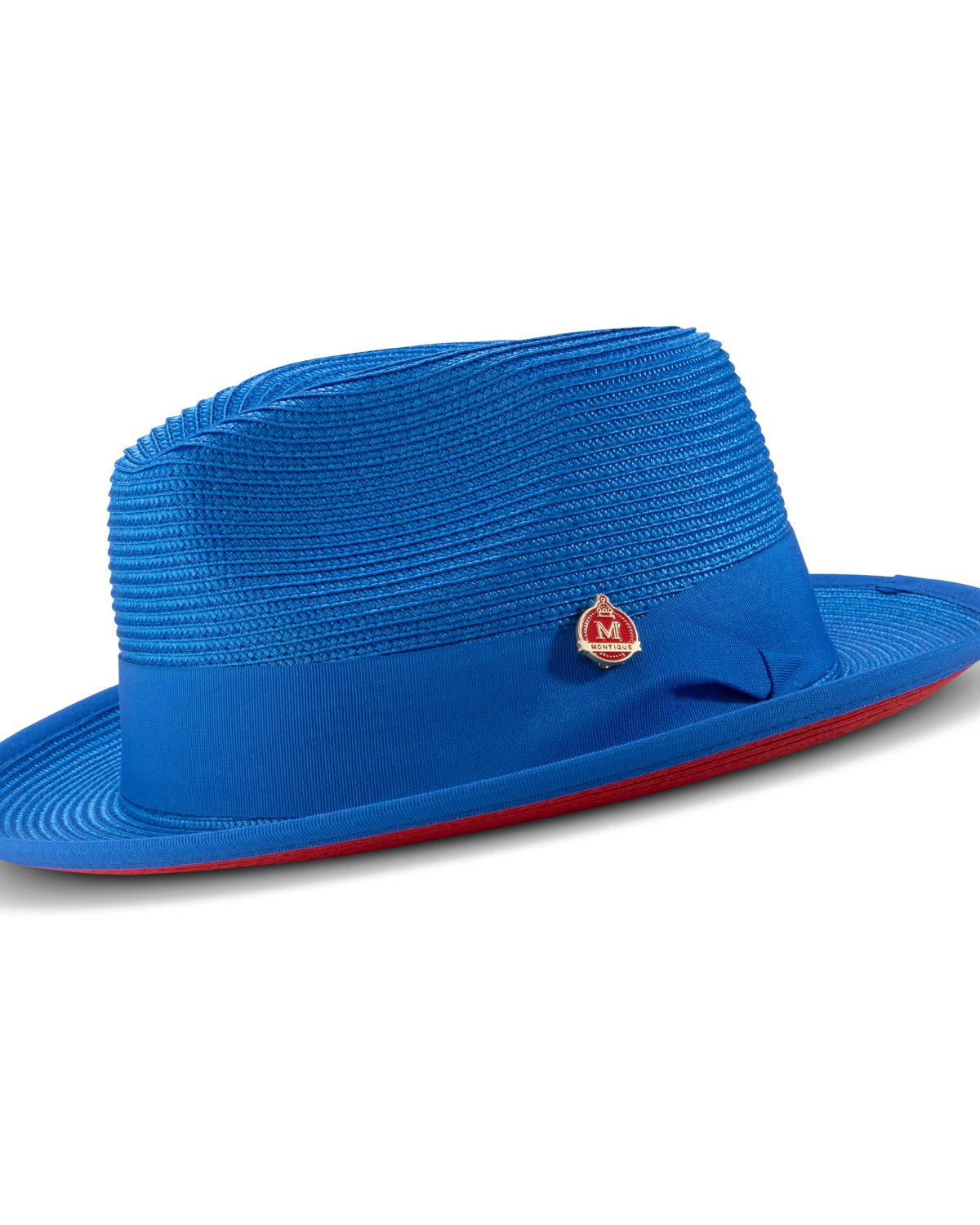
Hats complete the walking suit look from head to toe. A straw fedora from our Summer Pinch collection is the natural pairing for a warm-weather walking suit in a casual or social setting. A structured felt fedora elevates the look into semi-formal territory. Match the hat color to the suit's color family rather than matching it exactly - a complementary tone with enough contrast reads better than a direct match.
Belts tie the outfit together visually by connecting the shoe color across the waistline. A leather belt in the same color and finish as the shoe is the standard - black with black, tan with tan, cognac with cognac. A mismatched belt and shoe combination is one of the most visible coordination errors in men's dress and one of the easiest to avoid.
Watches and jewelry. A clean watch - leather strap for formal, metal or sport for casual - adds refinement to any walking suit look. Keep metal tones consistent across all jewelry and the belt buckle. Gold with warm-toned suits, silver with cool-toned suits.
Seasonal Outfit Combinations
Summer. Lightweight poly blend or linen-feel walking suits in lighter colors - white, cream, sky blue, pale tan - are the correct choices for warm weather. The fabric breathes and the lighter color reflects heat. Pair with white or tan slip-ons, a straw fedora, and minimal accessories. Keep the look clean and uncluttered - summer occasions reward simplicity.
Fall. Richer colors come into their own as the season shifts - burgundy, forest green, cognac, deep navy, and rust all perform strongly in autumn. Pair with tan or cognac leather loafers, a structured felt hat in a complementary tone, and a leather belt that matches the shoe. The walking suit's coordinated construction means you get a complete, seasonally appropriate look with minimal additional pieces required.
Winter. Dark, rich tones - black, charcoal, deep navy, dark burgundy - are the strongest walking suit choices for winter occasions. Pair with black or dark leather dress shoes, a structured dark fedora, and a camel or dark wool overcoat for warmth when moving between indoor and outdoor settings. A silk pocket square in a warm accent color adds formality and personality to a dark winter walking suit look.
Spring. Spring rewards lighter colors and transitional combinations. A tan, light grey, or soft color walking suit with tan suede loafers, a lighter straw or linen-feel hat, and warm-toned accessories reads as clean and season-appropriate. Spring occasions - outdoor events, brunches, casual gatherings - are some of the strongest contexts for a well-chosen walking suit.
Complete Outfit Examples
Casual Summer Weekend
Light grey short-sleeve walking suit, white slip-on shoes, white canvas belt, simple silver watch, straw fedora in natural tan. Works for weekend errands, a casual brunch, or an outdoor social gathering. The neutral grey base allows all the accessories to be kept minimal without the outfit feeling unfinished.
Business Casual - Fall
Navy walking suit, white button-down shirt layered under the jacket, brown leather loafers, matching brown belt, simple gold watch, structured tan fedora. The navy-and-tan color combination is one of the most reliably sharp professional pairings in men's dress. Appropriate for the office, client meetings, or a business social occasion.
Formal Event - Winter
Black walking suit, black leather dress shoes, black leather belt, silver watch, white silk pocket square in a flat fold, structured black fedora. A complete, sharp formal look assembled entirely from the walking suit and clean accessories. The white pocket square is the only color accent needed against the all-black base.
Spring Social - Outdoor Event
Beige walking suit, tan suede loafers, tan leather belt, gold-toned watch, wide brim straw hat in natural or tan. A warm, cohesive earth-tone palette that reads as deliberately styled and season-appropriate. The beige suit's warmth creates a strong foundation for the tan accessories throughout.
Care and Maintenance
A walking suit that is maintained correctly holds its shape, its color, and its fabric quality for multiple seasons. A few consistent habits extend the life of the suit significantly.
Storage. Hang on wide, padded suit hangers rather than wire hangers to preserve the shape of the shirt shoulders. Store in a cool, dry location with good airflow. For long-term storage, a garment bag protects against dust and light. Do not store the suit compressed or folded - the fabric needs room to maintain its shape between wears.
Cleaning. Check the care label on your specific suit before washing. Most poly blend walking suits are machine washable on a gentle cold cycle - but the care label is the definitive guide. Wash inside out to protect the outer surface from friction. Air dry rather than machine drying when possible - low heat tumble dry is acceptable when the care label permits, but high heat accelerates color fading and fabric breakdown.
Wrinkle removal. A handheld steamer is the safest and most effective tool for removing wrinkles from a walking suit. Steam relaxes the fabric without the direct contact heat risk that ironing introduces. If ironing is necessary, use a pressing cloth between the iron and the fabric surface and keep the iron on a low setting appropriate for the suit's fabric content.
Routine checks. Before each wear, check for loose threads, missing buttons, or early signs of wear at the collar and cuffs. Addressing small issues immediately prevents them from becoming larger problems that shorten the suit's useful life.

Frequently Asked Questions About Mixing Walking Suits with Your Wardrobe
Can you wear a walking suit casually?
A walking suit in a lighter color or a bold pattern worn with clean sneakers or slip-ons and a casual cap is a completely appropriate casual look for weekend outings, social gatherings, and everyday wear. The coordinated construction of the suit reads as more put-together than most casual separates without requiring formal accessories. Match the accessory formality to the occasion and the suit works across a wide casual range.
What can you wear under a walking suit shirt?
Most walking suit shirts are designed to be worn as the outer layer on their own or buttoned open over a plain tee for a layered casual look. A white or solid color V-neck or crew-neck undershirt in a neutral color works well underneath for casual occasions. For professional or semi-formal settings, wear the walking suit shirt as the primary layer without an additional shirt underneath.
How do you dress up a walking suit for a formal occasion?
Elevate a walking suit for formal occasions through accessory choices rather than changing the suit itself. Replace casual footwear with leather dress shoes or lace-ups. Add a structured fedora in a dark or complementary color. Include a silk pocket square and a dress watch. These changes shift the same suit from casual to semi-formal without requiring a wardrobe change.
What walking suit colors are most versatile for mixing and matching?
Black, white, navy, tan, and grey are the most versatile walking suit colors for mixing with existing wardrobe pieces because they coordinate with the broadest range of shoe colors, accessories, and outerwear. Within those neutrals, white and navy are the strongest starting points - white pairs with almost any accessory color, and navy coordinates naturally with tan, white, and gold accessories across every occasion type.
Can walking suits be worn year-round?
Walking suits work in every season when the fabric weight and color are appropriate to the temperature. Lightweight poly blend and linen-feel walking suits in lighter colors are the correct choice for spring and summer. Heavier constructions and richer, deeper colors perform better in fall and winter. The coordinated two-piece construction makes walking suits one of the most adaptable wardrobe formats across seasons.
Ready to build your walking suit wardrobe? Browse our full walking suits collection at Suits & More, including short sleeve sets for warm weather and year-round styles across every color and pattern. Free shipping on orders over $75, ships from Newark, NJ within one business day.