

Written by Taylor, Style Contributor at Suits & More
Taylor covers menswear, walking suits, and how to build coordinated looks that are intentional from head to toe.
Last updated: March 2026
Finding clothes that fit right is a challenge for bigger and taller men - and walking suits are no exception. The wrong size makes you look sloppy. The wrong cut makes you look uncomfortable. But when a walking suit fits the way it should, the difference is immediate: you look put-together, you feel confident, and you carry yourself differently.
This guide covers exactly what big and tall men should look for when buying a walking suit - from fit and fabric to color, accessories, and which styles are worth your attention right now.
What Is a Walking Suit?
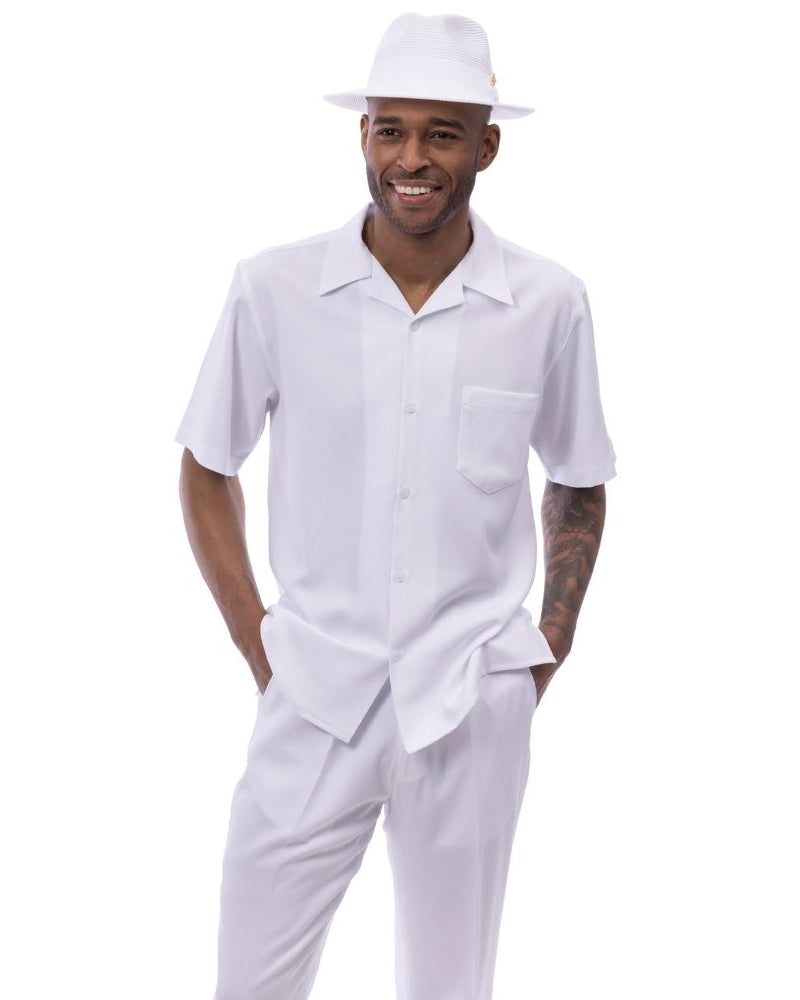
A walking suit is a coordinated 2-piece set - a matching shirt and pants designed to be worn together as a complete look. Unlike a traditional business suit, there is no jacket required. The shirt and pants are matched in fabric, color, and pattern from the factory, so the coordination is built in. Put it on and you are already dressed.
Walking suits come in short sleeve and long sleeve styles, covering everything from summer events and church to formal dinners and family gatherings. For big and tall men, they offer a genuine advantage: when the fit is right, a walking suit creates a clean, unified silhouette that is far more flattering than mismatched separates.
Why Fit Is Everything for Big and Tall Men
Fit is where most menswear fails bigger and taller men. Shirts are cut too short in the body. Pants cling in the wrong places. Shoulders are too narrow or too wide. The result is clothing that looks like it belongs to someone else - and that feeling shows.
Walking suits are designed differently. Because the shirt and pants are coordinated and sold as a set, the proportions are matched. A 3X shirt is paired with pants that fit a 3X frame - not pants designed for a 32-inch waist and a 5'10" man. That built-in proportional matching is one of the main reasons walking suits work so well for big and tall men.
But size alone is not the whole story. How the suit fits your specific body matters just as much as the number on the tag. Here is what to focus on.

Charpi Collection: Montique Navy Linen-Look Walking Suit - available up to 6X-Large
Features of a Well-Fitting Walking Suit
Shirt Fit
The shirt should sit at the natural shoulder seam - not hanging off it and not pulling across the back. Through the chest and torso, it should move with you comfortably. Not too tight across the back or upper chest, and not so loose that it looks shapeless. Worn untucked, the hem should fall to the top of the hip. If the hem falls mid-thigh or lower, the shirt is too long for the size.
Trouser Fit
The pants should sit at the natural waist without needing a belt to hold them in place. There should be enough room in the seat and thighs to move freely - walking suits are designed for comfort, not a slim cut. The inseam on Classic Collection pants is 32 inches. If you need more length, size up and have the pants hemmed by a tailor rather than buying a size that is too large in the waist.
Fabric Choice
For big and tall men, fabric matters more than it might seem. Heavy fabrics add visual bulk. Lightweight, breathable materials - linen-look weaves, jacquard, textured polyester - drape cleanly and move with the body. High-quality polyester blends are also wrinkle-resistant and machine washable, which is a practical advantage for a suit you will wear often.
Choosing the Right Color
Color plays a significant role in how a suit reads on a larger frame. Here is the practical breakdown:
Dark, solid colors - Navy, charcoal, black, and deep burgundy create a clean, streamlined silhouette. These are the most flattering starting point for big and tall men who are new to walking suits. They also work across the widest range of occasions.
Tone-on-tone patterns - A tone-on-tone suit uses subtle texture variation within a single color. It adds visual interest without introducing a bold pattern that can compete with the silhouette. This is often the most sophisticated option for bigger frames.
Bold patterns - Plaid, houndstooth, and print styles absolutely work on bigger frames - but scale matters. Larger patterns tend to work better than fine, dense patterns on a larger body. When in doubt, keep the accessories clean and let the pattern do the work on its own.
Lighter colors - Oatmeal, ivory, and soft blue can work beautifully when the fit is right. The key is making sure the suit is truly fitted - loose fabric in a light color reads as oversized rather than relaxed.
Sizing: How to Find Your Number
Walking suits use coordinated size pairings - the shirt size is matched to a specific pant waist. You cannot mix and match tops and bottoms. Use the size chart to match your chest and waist measurements before ordering.
A few practical rules for big and tall buyers:
If you are between sizes, go up. It is always easier to have a tailor take in a slightly larger suit than to deal with pulling or discomfort in a suit that is too small.
Pay attention to the shoulder. The shoulder seam is the hardest alteration to make. Everything else - waist, inseam, length - can be adjusted. If the shoulder does not fit, the suit does not fit.
Check the inseam. Classic Collection pants have a 32-inch inseam. Taller men may need hemming up rather than letting out. A local tailor can handle this quickly and inexpensively.

Charpi Collection: Montique Oatmeal Linen-Look Walking Suit - available up to 6X-Large
Tailoring and Adjustments
Even a well-chosen walking suit may need minor adjustments to fit perfectly - and that is normal. A small investment in tailoring can transform a suit from good to great. Here are the most common adjustments for big and tall men:
Shirt and pant length - Often, shirts and pants need to be shortened slightly for taller men, or let out slightly for broader frames. A local tailor can handle both.
Waist suppression - If you carry more weight through the midsection, a tailor can add shape to the shirt by taking in the side seams. This creates a cleaner line without restricting movement.
Seat and thigh - Tailoring the seat and thigh of the pants is one of the most impactful adjustments for bigger frames. The goal is enough room to move freely without excess fabric pooling in the back.
How to Accessorize a Walking Suit
The right accessories complete a walking suit. The wrong ones compete with it. Keep it simple and intentional.
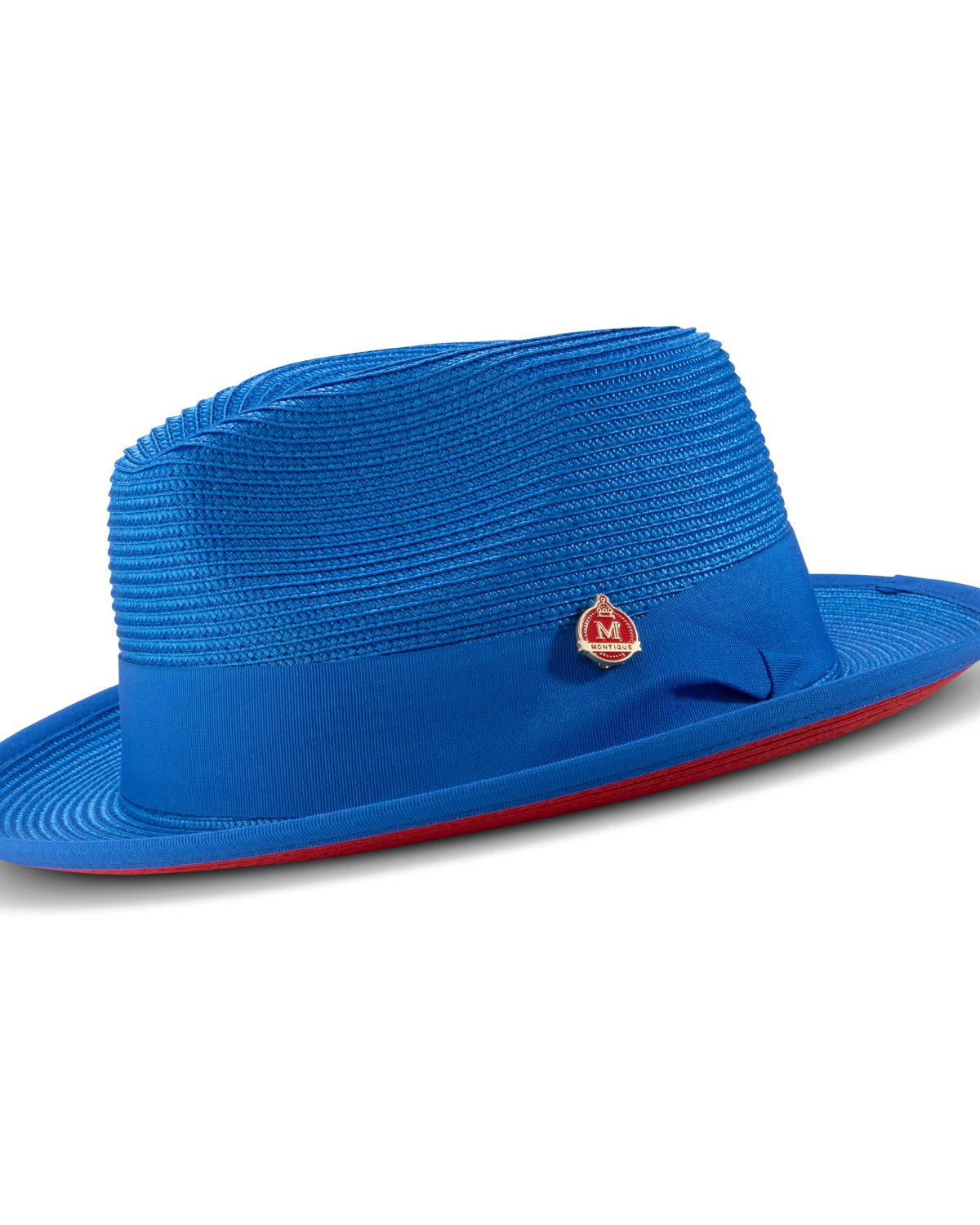
Hat: A fedora in a matching or complementary color is the most natural finishing piece for a walking suit. Match the hat to the dominant color of the suit. For bigger frames, a medium to wide brim fedora balances the proportions better than a stingy brim style.
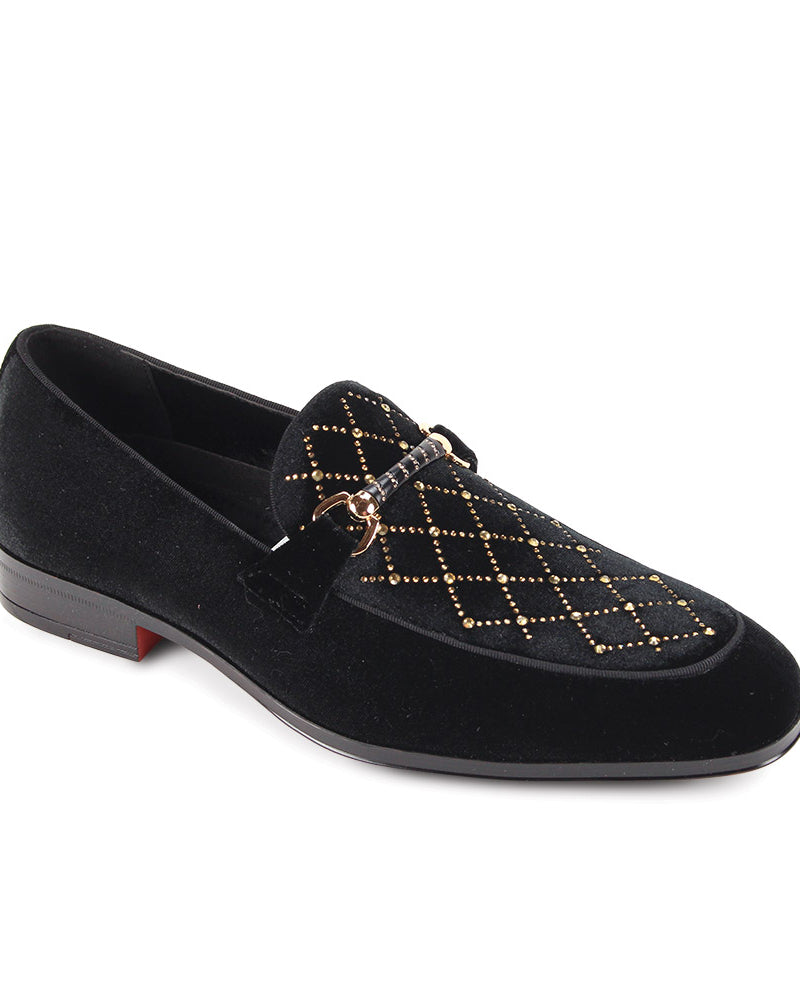
Shoes: Clean leather shoes or loafers that coordinate with the suit color. Tan or white shoes work with lighter suits. Black or dark brown work with deeper tones. Avoid overly casual footwear - it undercuts the sharpness of the coordinated look.
Belt: Optional, since most walking suit pants have an adjustable waistband. If you wear one, match it to your shoes. Keep it clean and simple - a statement belt buckle pulls attention away from the overall look.
Frequently Asked Questions
Do you carry Big and Tall sizes in walking suits?
Yes, on select styles. The Charpi Collection by Montique, for example, runs from Medium through 6X-Large with pant waists up to size 60. Check the size options on each product page for full availability.
Can I buy the shirt and pants in different sizes?
No. Walking suits are sold as coordinated sets with predetermined size pairings. The shirt and pants cannot be separated. Use our size chart to find the pairing that matches your measurements best.
What is the inseam length on walking suit pants?
Classic Collection pants have a 32-inch inseam. If you need a longer length, size up and have the pants hemmed to your preferred length by a local tailor.
What fabric works best for bigger frames?
Lightweight, breathable fabrics that drape cleanly are the best choice - linen-look weaves, textured polyester, and jacquard. These materials move with the body, resist wrinkles, and do not add visual bulk the way heavier fabrics can.
What colors are most flattering for big and tall men?
Dark solids - navy, charcoal, black, burgundy - are the most streamlining starting point. Tone-on-tone styles add sophistication without introducing competing pattern. Lighter colors work well when the fit is truly right. The key in every case is fit first, color second.
Ready to find your look? Browse the full collection at Suits & More - short sleeve, long sleeve, solids, tone-on-tone, and extended sizing available on select styles. Free shipping on orders over $75. Easy returns within 30 days if the fit is not right.
Shop All Walking Suits · Short Sleeve · Long Sleeve · Shop Hats · Size Chart
More Reading
What Is A Walking Suit? - A Comprehensive Guide
Color Theory: Picking the Right Shades for Your Walking Suit
Short Sleeve Walking Suits: The Complete Guide to Cool, Sharp Style
The Resurgence of Walking Suits: A Walkthrough of Stylish Comfort