


Key Takeaways
- Accurate measurements are the foundation of perfectly tailored garments
- Different garments require specific measurement techniques
- Professional assistance ensures the most precise measurements
- Understanding your body type helps in selecting the most flattering styles
- Regular re-measuring accounts for body changes over time
- Proper measuring tools significantly impact measurement accuracy
- Specialized measurements are essential for different garment types
- Common measurement mistakes can be easily avoided with proper technique
- Accessory measurements complete your tailored ensemble
- Investment in precise measurements yields long-term style benefits
Looking your best in formal attire starts with a perfect fit from proper tailoring. At Suits and More, we know that great tailoring begins with precise measurements. The difference between an ordinary suit and one that turns heads is in those important inches and centimeters that match your unique body shape.
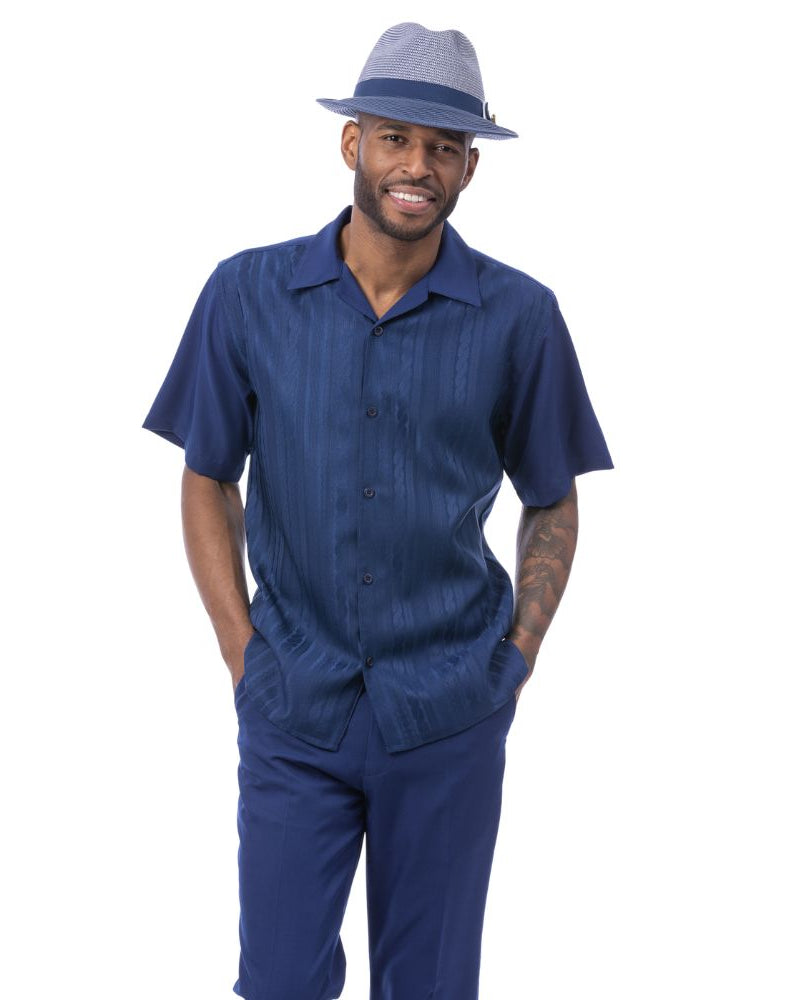
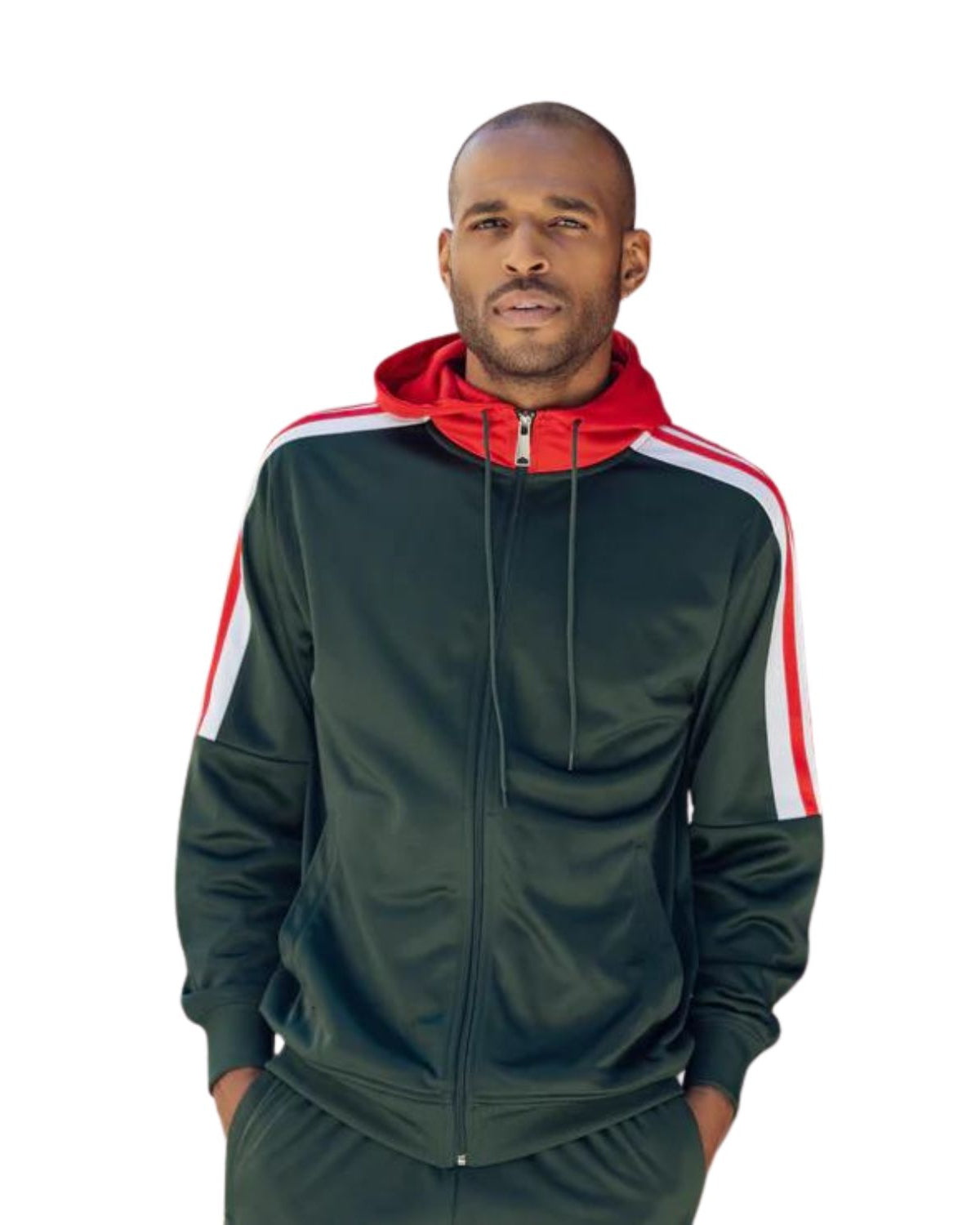
Whether you're buying a sleek Velourville Collection suit, a comfortable short sleeve walking suit for summer events, or picking the perfect tracksuit for casual style, accurate measurements make sure your clothes fit your body perfectly.
In this guide, we'll show you the important measurements needed for tailoring success, professional techniques used by expert tailors, and tips for keeping track of your measurements over time. Let's make sure your next tailored piece fits like it was made just for you—because with the right measurements, it really will be.
1. Essential Equipment for Accurate Measurements
Before starting to measure, getting the right tools is really important for accuracy. Professional tailors use specific equipment to get the most precise measurements.

Essential Measuring Tools:
- Flexible Measuring Tape: The most important tool for tailoring measurements. It allows you to measure body curves accurately. Choose a professional tape that won't stretch over time, so your measurements stay consistent. The tape should be at least 60 inches long to measure everything in one go.
- Notepad and Pen: Always write down measurements right away so you don't forget them. Create a form with labeled sections for each measurement to stay organized and make comparisons easier over time.
- Mirror: A full-length mirror helps make sure the measuring tape is positioned correctly and stays level. Using multiple mirrors lets you check your position from different angles.
- Assistant (if possible): Having someone help take your measurements makes them more accurate, especially for back and shoulder measurements. An assistant can make sure the tape stays parallel to the floor while you maintain good posture.
- Posture Guide: A simple wall corner can help you maintain proper posture during measuring, making sure measurements reflect how you naturally stand.
When you visit our tailoring experts at Suits and More, we use professional measuring tools to make sure your clothes fit perfectly. But if you're taking measurements at home before ordering one of our walking suits or formal suits, these basic tools will help you get more accurate results.
2. Upper Body Measurements: The Foundation of a Great Fit
Upper body measurements create the foundation for a well-fitted jacket or shirt. Getting these right ensures comfort across your shoulders and chest while maintaining a clean look.

Key Upper Body Measurements:
To get a perfect fit for your upper body, you need to measure several key areas. First, measure around the base of your neck where a collar would sit, allowing about one finger of space for comfort. This is especially important for dress shirts.
Next, measure from one shoulder bone to the other across your back. This measurement is critical because it defines the entire structure of a jacket or shirt. The shoulder seam should line up exactly with the end of your shoulder bone.
For your chest or bust, measure the fullest part while keeping the tape parallel to the floor. For men, this is usually across the nipples; for women, across the fullest part of the bust. This affects how comfortable your jackets, shirts, and vests feel.
Sleeve length is measured from the shoulder point to just past your wrist bone. For formal shirts, the sleeve should reach the base of your thumb when your arms are relaxed. For jackets, the sleeve should end at your wrist bone, allowing a bit of shirt cuff to show.
Don't forget to measure across your back from armpit to armpit, which ensures you can move comfortably. Also measure horizontally across your front chest and the length of your torso from the base of your neck to your natural waistline.
Our LunarLuxe Collection uses premium Super 150's Italian fabric that looks great when properly fitted. The classic fit jacket with hand-stitched lapels needs precise upper body measurements to show off its craftsmanship.
For our premium blazers, we suggest paying special attention to shoulder measurements, as this determines how the garment hangs and creates the shape that makes you look your best.
3. Lower Body Measurements: Ensuring Comfort and Style
Good lower body measurements are essential for pants that fit comfortably while looking sleek. This is especially important for our walking suits, which combine style with function.

 Key Lower Body Measurements:
For a great-fitting lower body, start by measuring your natural waistline, which is where your body bends when you lean to the side. This isn't always where you wear your pants, especially for men who often wear pants lower on the hips. The waistband should be snug enough to stay up without a belt, but comfortable enough to fit two fingers between the band and your body.
Next, measure around the fullest part of your hips and buttocks. This measurement is critical to make sure pants have enough room through the seat without extra fabric. For slim-fit styles, this determines how closely the pants will follow your shape while still letting you move comfortably.
For the inseam, measure from the crotch seam to your desired pant length. Traditional formal pants have a slight break over the shoe, with the back of the hem touching the top of the shoe heel. More modern styles might have a shorter inseam with little or no break for a cleaner look.
Also measure from the waistband to your desired pant length along the outside of your leg (the outseam). This helps ensure good proportion, especially for taller people. Don't forget to measure around the fullest part of your thigh, around your knee while standing naturally, around the widest part of your calf, and the desired width at the bottom of the pant leg.
Our Houndour Collection walking suit shorts sets have a modern fit that needs precise hip and thigh measurements to balance comfort and style. These sets come in bright colors like Wine, Emerald, and Navy, perfect for summer events and casual outings.
For formal pants like those in our LunarLuxe Collection with pleated front, proper waist and seat measurements make sure the pleats lay flat and create a classic, refined look.
4. Specialized Measurements for Different Garment Types
Different clothing styles need specific measurements to achieve the right look and fit. Understanding these specialized measurements can make a big difference in how your tailored clothes look and feel.
Specialized Measurements by Garment Type:
For Walking Suits:
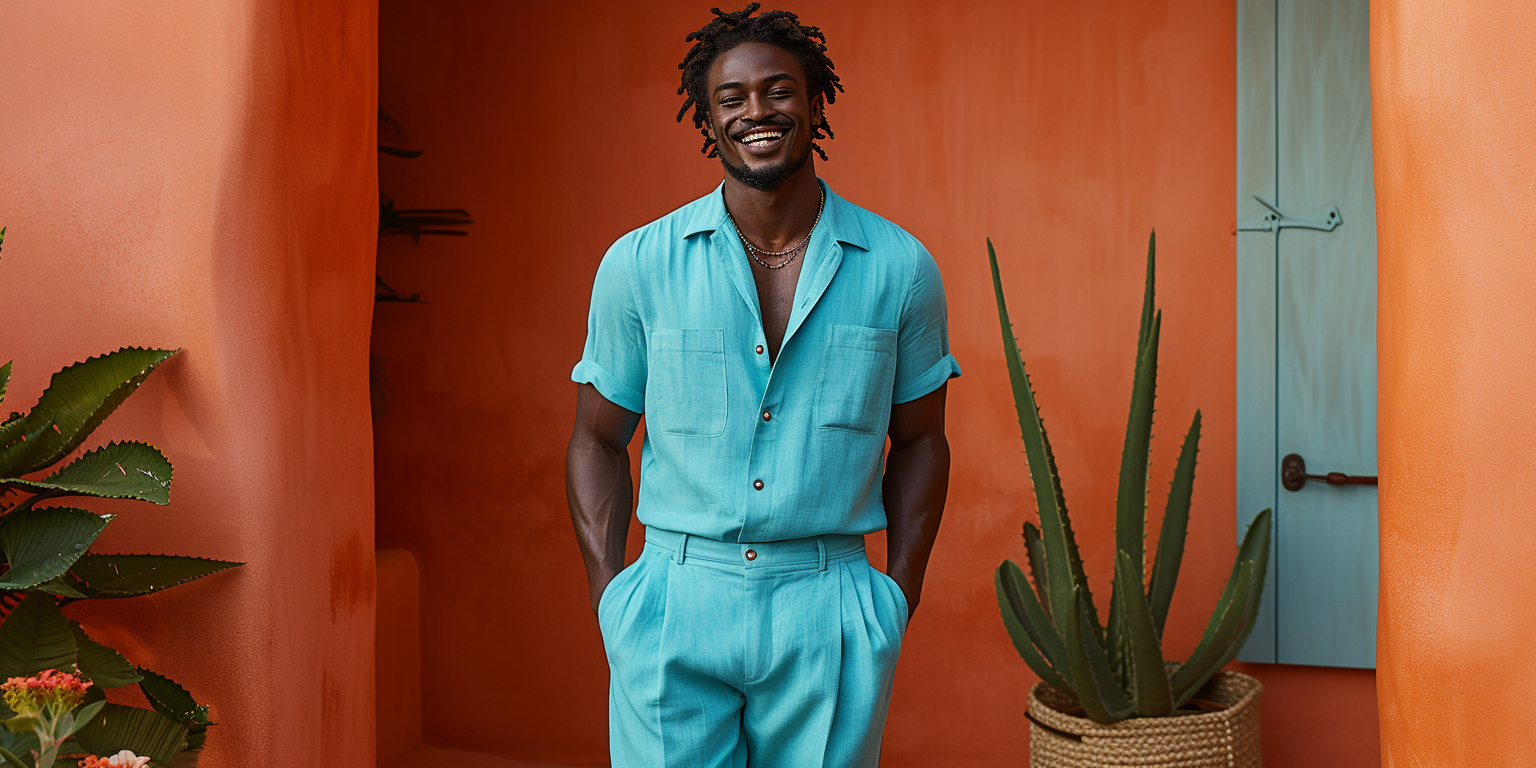
- Bicep Circumference: Very important for short-sleeve walking suits like our Montique Emerald Walking Suit ($79.96), making sure the sleeve fits comfortably without being too tight or loose. The ideal fit allows about 1-1.5 inches of extra space around the bicep for comfort while still looking tailored. This measurement is especially important for athletic builds with developed upper arms.
- Upper Back Width: Ensures you can move freely in casual styles. Walking suits need slightly more room across the upper back than formal suits to allow more movement. Measure between your shoulder blades while standing naturally with arms at your sides.
- Armhole Depth: For short-sleeve styles, the armhole depth determines comfort during movement. Measure from the shoulder seam down to where the sleeve joins the body of the garment. A properly sized armhole prevents binding when you move while maintaining a clean line.
- Sleeve Opening Width: For short-sleeve walking suits, the width of the sleeve opening affects both style and comfort. Measure the circumference at the bottom edge of the sleeve. Modern styles typically have a slightly narrower opening that follows the shape of the arm.
For Formal Suits:
When measuring for formal suits, you need to pay attention to several specialized areas. The half-shoulder width (from neck seam to shoulder edge) is crucial for structured jackets like our Formalita Collection Black 3-Piece Suit. The jacket length determines the overall proportion and formality of the suit - traditionally extending to the middle of your palm when arms hang naturally.
While not a body measurement, the width of the lapel should match your chest size and shoulder width. The height and shape of the armhole in a formal jacket significantly impact how well you can move and how the jacket looks. A properly fitted armhole sits close to your underarm without being uncomfortable, allowing the jacket to move with you rather than shifting when you raise your arms.
For Vests:
When measuring for vests, the front length should be measured from the shoulder seam to the desired bottom point. For traditional waistcoats, this should extend just past the waistband of the trousers, covering the belt completely. The back length is often slightly shorter than the front for proper fit.
Also measure across the chest at the button line to determine how the vest conforms to your torso. For vests with V-necks, measure from the shoulder seam at the neck down to the desired opening depth, which affects both style and how much shirt and tie are visible beneath the vest.
Our walking suit guide provides detailed information on how these specialized measurements impact the overall look and comfort of your walking suit. For more casual options, our tracksuit collection requires measurements that allow for both style and movement.
5. Professional Measuring Techniques Used by Master Tailors
Master tailors use specific techniques to get the most accurate measurements. Understanding these methods can help you communicate better with your tailor and appreciate the craftsmanship that goes into creating perfectly fitted clothes.

Professional Measuring Techniques:
Professional tailors start by looking at your natural posture, which affects how fabric hangs on your body. They notice if you have square or sloping shoulders, if you stand with shoulders back or slightly forward, and if there's any unevenness in your stance. These observations help them adjust standard patterns to fit your unique posture, making sure the garment moves naturally with your body.
Measurements are taken both while standing still and making slight movements to ensure comfort during regular wear. A master tailor might ask you to bend your arms, sit down, or walk a few steps to see how your body moves and where extra room might be needed. This approach ensures clothes that look great whether you're standing for a photo or talking with friends at an event.
Most people have slight differences between the left and right sides of their bodies, which master tailors account for. One shoulder might be slightly higher, or an arm might be slightly longer. Rather than averaging these differences, expert tailors record both left and right measurements separately, creating truly customized garments.
Understanding how different fabrics hang helps tailors adjust measurements accordingly. Heavier fabrics like wool flannel need slightly different measurements than lightweight tropical wools or technical fabrics. Experienced tailors adjust based on the specific characteristics of the chosen fabric, considering factors like stretch, weight, and how the fabric will shape to the body over time.
When you choose premium garments like our Velourville Collection suits ($149.99) or wedding tuxedos, professional measuring techniques ensure these investment pieces look exceptional and last for years.
6. Common Measurement Mistakes to Avoid
Even small measurement errors can significantly impact how your tailored clothes fit. Being aware of common mistakes can help you get more accurate measurements and better-fitting clothes.

 Common Measurement Mistakes:
One big mistake is measuring over bulky clothing. Always measure over lightweight clothing or just underwear for accuracy. Bulky clothes can add significant inches to your measurements, resulting in oversized garments. For upper body measurements, a thin t-shirt is ideal; for lower body, form-fitting shorts or underwear provide the most accurate base.
Another common error is pulling the measuring tape too tight or letting it be too loose. The tape should be snug but not tight enough to squeeze your body. A tape pulled too tight creates measurements that are too small, resulting in uncomfortable, binding garments. The ideal tension allows the tape to lie flat against your body without making indents or creating gaps.
Make sure the tape stays parallel to the floor for measurements around your body. Letting the tape slant or droop results in inaccurate measurements. For horizontal measurements like chest, waist, and hips, check the tape position in a mirror or have someone verify that it remains level all the way around.
Don't rely on your size in ready-to-wear clothing as a substitute for actual body measurements. Sizing varies a lot between brands and even between different styles from the same manufacturer. Always use actual body measurements rather than your typical clothing size when ordering tailored garments.
When ordering stylish pieces like our Cleopatris Collection Camel Matrix Plaid Walking Suit or Charppist Collection Mauve Walking Suit, accurate measurements ensure you receive a garment that shows off the unique pattern or texture as intended by our designers.
7. Understanding Body Types and Appropriate Measurements
Different body types need specific measurement considerations to achieve the most flattering fit. Understanding your body type helps in selecting the right styles and talking effectively with your tailor.

Measurement Considerations by Body Type:
Athletic Build:
If you have an athletic build with broader shoulders and a narrower waist, focus on the shoulder-to-waist ratio for jackets. Your jackets should fit your shoulder width without having excess fabric at the waist. Consider a more dramatic waist suppression of 6-8 inches difference between chest and waist measurements.
For pants, think about tapering to balance your proportions. Athletic builds often have more developed thighs compared to calves, requiring pants with enough room through the seat and thigh that narrow below the knee. This creates a balanced look that complements your V-shaped upper body.
Pay special attention to sleeve circumference to fit developed arms. Standard sleeve measurements may be too tight for athletic builds with muscular biceps and forearms. Our Luxify Collection Ultra-Slim Fit Suit is designed to highlight this body type with its modern silhouette.
Broader Build:
For a broader build, make sure chest and shoulder measurements have appropriate room for comfort. Broader builds benefit from structured shoulders that create clean lines without adding bulk. Allow 3-4 inches of extra space in the chest measurement for comfort while maintaining shape.
Consider pleated pants for comfort and style. Pleats provide additional room through the seat and thigh while creating vertical lines that make you look taller. Forward-facing pleats offer the most flattering effect for broader builds.
Focus on proper jacket length to create balanced proportions. A slightly longer jacket (covering the seat completely) creates a more streamlined appearance. Our LunarLuxe Collection Classic Fit Suit with pleated pants offers a refined look for this body type.
8. Maintaining and Updating Your Measurements
Bodies change over time, so keeping your measurements updated is important for consistently well-fitted clothes. Here's how to maintain accurate measurements throughout the years.

Tips for Maintaining Accurate Measurements:
Create a measurement record and update it regularly. Keep a digital or physical record of all your measurements with dates noted. This creates a history that helps track changes over time and ensures consistent sizing when ordering new garments.
Schedule regular re-measurement sessions, especially after significant life changes. Weight fluctuations, fitness routines, and aging all affect body measurements. As a general rule, re-measure every 6-12 months or after any weight change of more than 5-10 pounds.
Use consistent measuring conditions to ensure accuracy. Take measurements at the same time of day (ideally mid-morning), wearing similar undergarments, and in the same posture each time. This consistency helps isolate actual body changes from measurement variables.
At Suits and More, we recommend updating your measurements before making significant clothing purchases, especially for special events like weddings where you'll want the perfect fit.
Conclusion: The Investment in Precise Measurements
Taking the time to get accurate measurements is one of the best investments you can make in your wardrobe. Precise measurements are the foundation of garments that not only look exceptional but also feel comfortable and last longer.
Whether you're purchasing a sophisticated suit for business, a stylish walking suit for casual events, or a comfortable tracksuit for relaxed occasions, the process begins with knowing your exact measurements.
Remember that professional tailoring services, like those offered through Suits and More, can help you achieve the most accurate measurements and guide you toward styles that complement your unique body type. The difference between good and great clothing is often just a matter of inches—make those inches count with precise measurements for tailoring success.