



Written by Taylor Rego, Menswear Buyer & Style Contributor at Suits & More
Taylor specializes in curating coordinated menswear collections and helping men master the fundamentals of formal style.
Last updated: February 2026
Selecting the right suit colors for your skin tone is the most effective way to ensure you look your best in formal attire. While many men choose a suit based on a specific event or a current trend, the most successful outfits are those that harmonize with your natural coloring. When a color complements your skin, it makes you appear healthy and vibrant. If a color clashes with your complexion, it can make you look tired or washed out.
You do not need to be a professional stylist to master this skill. By understanding whether you have cool, warm, or neutral undertones, you can build a wardrobe that works for you rather than against you. This guide will help you identify your skin tone and choose the specific suit hues that provide the perfect amount of contrast and balance for a coordinated, sophisticated appearance.
How to Identify Your Skin Undertones
Before you choose a suit color, you must determine your undertone. This is the subtle color beneath the surface of your skin that does not change, regardless of sun exposure or tanning. A simple way to check this is to look at the veins on your wrist in natural light. If your veins appear blue or purple, you have a cool undertone. If they appear green, you have a warm undertone. If you cannot clearly distinguish between the two, you likely have a neutral undertone.
Another effective method is the jewelry test. If you look better in silver or platinum, you are likely cool-toned. If gold is more flattering against your skin, you are warm-toned. Men with neutral undertones often find that both silver and gold look equally good. Understanding your undertone is the first step in selecting fabrics that enhance your natural features rather than competing with them.
Best Suit Colors for Fair Skin
If you have fair skin, your primary goal is to create contrast. Because your skin is light, wearing light-colored suits can often make you look pale. You should avoid beige, light yellow, or pale pastel shades that mimic your skin tone too closely. These colors lack the depth required to define your silhouette against a lighter complexion.
Instead, you should opt for deep, rich colors. A classic navy suit is an excellent choice as it provides a sharp contrast that makes your features stand out. Charcoal grey and forest green are also highly flattering. If you want to experiment with color, a deep burgundy or a royal blue will provide the necessary depth to balance your complexion. These darker shades anchor your look and provide a professional, intentional appearance that commands respect in any room.

Best Suit Colors for Olive Skin
Olive skin is characterized by warm, yellowish, or greenish undertones. If you fall into this category, you have significant versatility when it comes to color selection. Most earth tones look exceptional on you. Browns, tans, and olive greens harmonize perfectly with your natural warmth, creating a look that is both grounded and stylish.
You should be cautious with colors that are too close to your skin tone, such as specific shades of mustard or light olive that might make your skin look sallow. To achieve the best look, choose colors that are slightly darker or more vibrant than your skin. A warm navy or a rich chocolate brown suit will look dignified and modern. For a more formal approach, a medium-to-dark grey provides a clean, polished look without the starkness of pure black, which can sometimes be too harsh for warm complexions.
Best Suit Colors for Dark Skin
Men with dark skin have the unique advantage of being able to wear high-contrast and high-saturation colors that might overwhelm other skin tones. While dark skin looks excellent in traditional navy and charcoal, you can also wear bright and light colors with ease. A crisp white suit or a light tan walking suit provides a stunning contrast that is both elegant and bold.
You should also consider vibrant shades like cobalt blue, emerald green, or even shades of pink and lavender. These colors stand out against a dark complexion and highlight the rich warmth of your undertones. Unlike men with fair skin, you do not need to worry about being washed out by lighter colors; instead, light fabrics often emphasize your features and create a clean, contemporary aesthetic that is perfect for both formal and social settings.

Shop Vibrant and Fashion Suits
The Role of Dress Shirts and Accessories
Your suit color is only one part of the style equation. The dress shirt you wear against your face is equally important for managing skin tone harmony. If you have cool undertones, a crisp white or cool blue shirt is your best option. These colors maintain the clean contrast required for cool-toned skin.
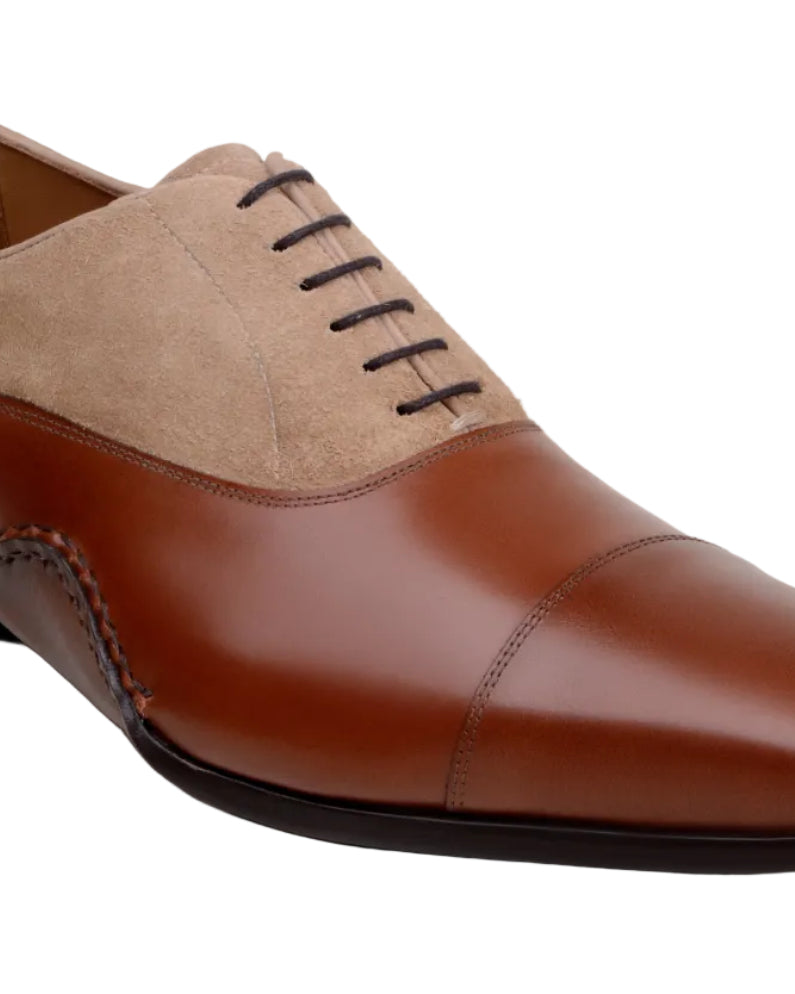
If you have warm undertones, an ivory, cream, or off-white shirt will be more flattering than a bright, stark white. Accessories like ties and pocket squares allow you to fine-tune the look. If your suit color is a safe neutral like charcoal, use your tie to bring in a color that specifically suits your skin. This is a cost-effective way to experiment with different hues before committing to a full suit in a bold color. For more advice on finishing the look, you may also want to read our guide on mastering tan shoe pairings.
Seasonality and Your Complexion
While your skin tone is the most important factor, the season can also influence which shade of a color you choose. In the summer, men with dark or olive skin should take advantage of the bright light by wearing lighter tans and blues. These shades reflect the heat and align with the seasonal palette.
During the fall and winter, deeper tones like burgundy and navy are appropriate for all skin types. However, men with fair skin should be particularly careful in the winter months to maintain contrast. As natural light levels drop, the distinction between your skin and your clothing becomes even more important. A well-chosen wool blazer in a dark jewel tone can provide the warmth and the visual depth needed for the colder seasons.
Frequently Asked Questions
What is the best suit color for a man with very pale skin?
Deep, dark colors like navy blue, charcoal grey, and bottle green are the most flattering for pale skin. These shades provide a strong contrast that prevents you from looking washed out or pale.
Can olive-skinned men wear black suits?
Yes, men with olive skin can wear black, but it can sometimes appear a bit flat. A deep navy or a charcoal grey often looks more vibrant and sophisticated against the warm undertones of olive skin compared to pure black.
What colors should men with dark skin avoid?
Men with dark skin have very few limitations and can wear almost any color. However, you should generally avoid colors that are extremely close to your specific skin shade if you want to create a clear, defined silhouette. Most other colors will look excellent.
How do I know if I have a warm or cool skin tone?
The easiest way is to look at your veins. Blue or purple veins indicate a cool skin tone, while green veins indicate a warm skin tone. If you see both or cannot tell, you likely have a neutral skin tone.
Read More:
How to Pair Shoes with Your Blazer
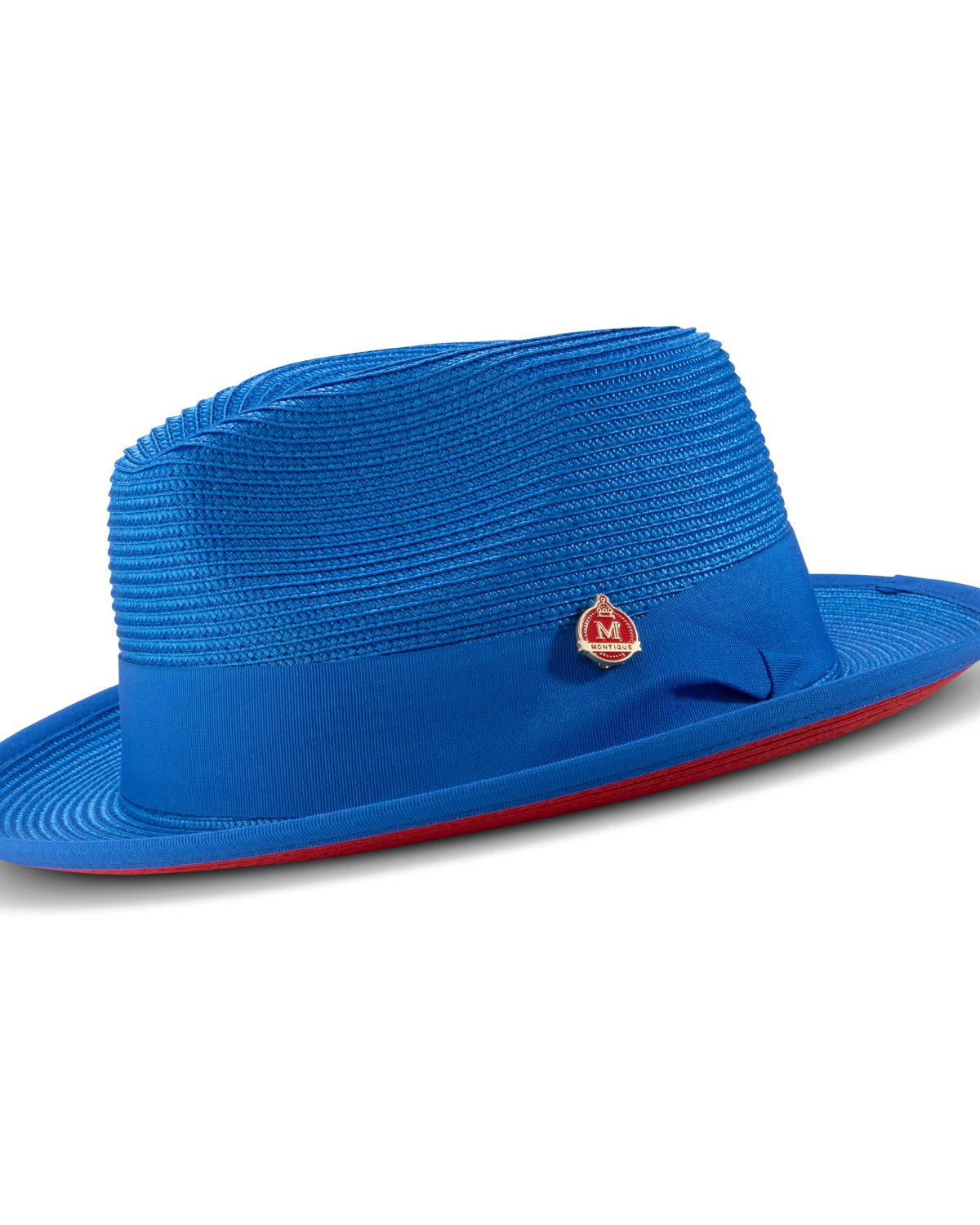
Matching Your Fedora with Your Suit