
Written by Taylor Rego, Men's Style Editor at Suits & More
Taylor covers men's style, suits, and outfit coordination for Suits & More. She helps men understand how fit works so every suit they own looks like it was made for them.
Last updated: September 2026
Slim fit suits have become the dominant cut in men's tailoring for good reason - the silhouette is clean, modern, and flattering across a wide range of body types when sized correctly. But slim fit is also the cut most likely to look wrong when the sizing is off. A slim fit suit that is too tight reads as uncomfortable rather than sharp. One that is slightly too large loses the entire point of the cut.
This guide covers everything you need to make the right decision - what slim fit actually means in terms of construction, how it compares to other cuts, how to choose the right one for your body type and occasion, how to style it correctly, and how to care for it so it holds its shape over time.
What Slim Fit Actually Means
Slim fit refers to specific construction decisions that create a closer, more tapered silhouette than a classic or regular fit suit. The three defining elements are a narrower shoulder seam, a suppressed waist on the jacket, and tapered trousers that follow the leg line without significant excess fabric.
The shoulder seam on a slim fit jacket sits closer to the natural edge of the shoulder - sometimes slightly inside it - rather than extending past it as a classic fit does. The jacket waist is taken in to create a visible taper between the chest and hip, producing the clean, fitted silhouette the cut is known for. The trousers follow the thigh and knee closely, tapering to a narrower leg opening than a classic cut would produce.
Understanding what slim fit means structurally helps you identify when a suit actually fits correctly versus when it is simply labeled slim fit without the construction to match. A suit that is labeled slim fit but has excess fabric across the chest, baggy trousers, or a jacket waist that does not taper is not delivering the cut's intended silhouette regardless of what the tag says.
Slim Fit vs. Classic Fit vs. Modern Fit
Classic fit suits are cut with more room throughout - across the chest, through the waist, and in the trouser leg. They prioritize comfort of movement over silhouette. Classic fit is the right choice for men who want ease of movement, carry more weight across the midsection, or prefer a traditional, conservative appearance.
Modern fit suits sit between classic and slim - less room than a classic cut but without the close taper of a slim cut. Modern fit works well for men who want a cleaner silhouette than classic but find slim fit restrictive. It is often the most practical everyday option for men who sit for long periods or need full range of movement in a work context.
Slim fit is the correct choice when the goal is maximum visual sharpness and silhouette, for men with a lean to athletic build, and for occasions where the suit's appearance is the priority over extended comfort across a long physical day.

How to Choose the Right Slim Fit Suit
Getting the Fit Right
The jacket shoulder is the most critical measurement in a slim fit suit because it cannot be altered significantly by a tailor. The shoulder seam must sit exactly at the edge of your shoulder - the seam should fall at the point where your shoulder curves down into your arm. If the seam sits past that point, the jacket is too large in the shoulder regardless of how well everything else fits. If it pulls or creates divots at the top of the arm, it is too small.
With the shoulder correct, the chest should lay flat across the front without pulling at the button. You should be able to button the jacket comfortably and slip a flat hand inside without forcing it. If the chest pulls open or shows X-shaped creases at the button, the jacket is too small in the chest. If there is excess fabric creating a billowed effect across the front, it is too large.
For trousers, the waistband should sit at your natural waist without a belt being necessary to hold them up. The seat should have enough room to sit comfortably without straining the fabric. The trouser leg should follow the thigh without pinching and taper cleanly to the ankle. A slim fit trouser with a slight break at the shoe is the standard finish - no break or a very slight one reads as most contemporary.
Body Type Considerations
Slim fit suits work best on lean to athletic builds where the suit's taper mirrors the natural taper of the body. Men with broad shoulders and a narrow waist get the most visual benefit from slim fit because the cut amplifies the silhouette they already have.
For men with a fuller build through the midsection, a modern fit often produces a better visual result than slim fit because it maintains a clean silhouette without creating the uncomfortable pulling and restriction that comes from forcing a slim cut over a fuller frame. A modern fit suit that fits correctly looks significantly sharper than a slim fit suit that is straining at the button.
Taller men with a lean build benefit from slim fit's clean proportions. Men on the shorter side should pay particular attention to jacket length - a shorter jacket length in a slim cut creates a more balanced proportion for shorter frames. Most slim fit suits are available in short, regular, and long lengths to address this.
Fabric and Color Selection
Fabric weight should match the season and the occasions you plan to wear the suit for most. Lightweight wool, linen blends, and tropical weight fabrics work for spring and summer events and warm climates. Mid-weight wool is the most versatile year-round option and performs best in professional environments. Heavy wool, flannel, and tweed are appropriate for autumn and winter occasions and colder climates.
For first slim fit suits, navy and charcoal grey are the strongest starting points because they coordinate with the widest range of shirt colors, ties, and shoes. Both work across formal and business casual occasions. Once those neutrals are covered, expanding into deeper jewel tones - burgundy, forest green, cobalt blue - or into pattern options like checks and stripes gives you stronger occasion-specific looks for events and social occasions.

How to Style a Slim Fit Suit
Shirts and Ties
A slim cut shirt works best with a slim fit suit because excess fabric in the shirt creates bunching and bulk under the jacket that disrupts the clean silhouette the cut is designed to produce. A white dress shirt in a slim cut is the most reliable foundation across any slim fit suit color. Light blue is the second strongest option. Avoid very full or relaxed-cut dress shirts - they work against the slim fit's construction.
Tie width should be proportional to the jacket lapel. Slim fit suits typically feature narrower lapels than classic fit, which means a slimmer tie - in the 2.5 to 3 inch range - maintains the proportional balance the cut requires. A wide tie on narrow lapels creates an imbalanced look that draws attention to the proportion mismatch rather than the sharpness of the suit. Match the tie color to a color already present in the suit or the shirt rather than introducing a third competing color into the palette.
Footwear
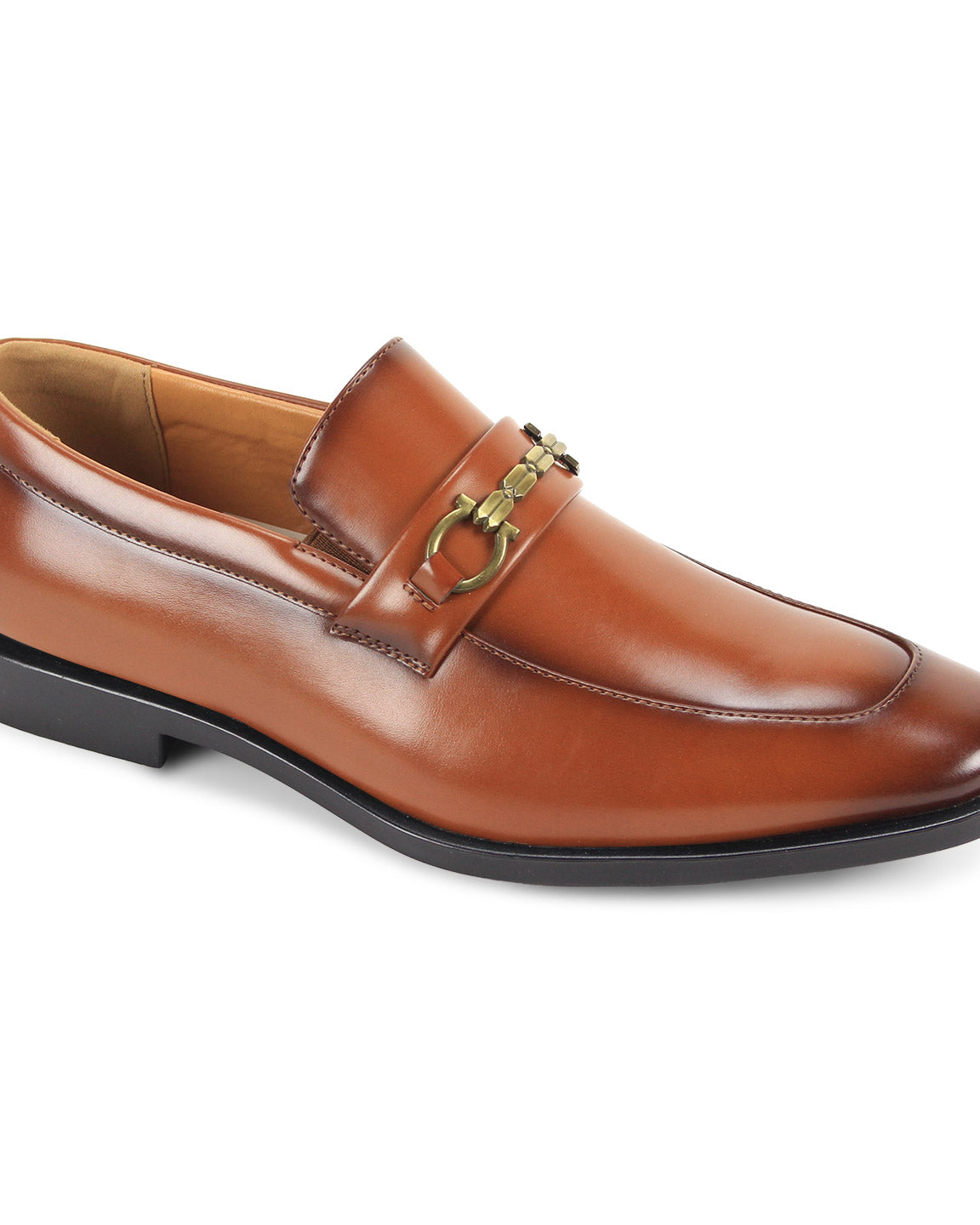
Slim fit suits pair best with sleeker, lower-profile shoe styles that continue the clean silhouette of the trouser to the foot. Oxford lace-ups and loafers with a slim profile are the strongest choices. Chunky or heavily detailed dress shoes create a visual disconnect at the base of the outfit - the bulk of the shoe fights the slim line of the trouser rather than extending it.
Match the shoe color to the belt in both color and finish. Black shoes and belt for dark suits. Tan or cognac for lighter or brown-toned suits. The shoe-belt coordination is one of the most visible markers of a well-put-together suit look and one of the simplest to get right.
Accessories
Two to three accessories is the practical limit for a slim fit suit look. A pocket square, a watch, and a tie bar or cufflinks constitute a complete accessory set. A pocket square alone alongside a clean watch is equally strong for more casual occasions. The slim fit suit's clean silhouette works best when the accessories match its restraint - avoid heavy jewelry, overly decorated tie bars, or multiple competing accessories that add visual noise to an otherwise clean look.
Keep metal tones consistent across all accessories. Gold with warm-toned suits - navy with a warm undertone, burgundy, tan. Silver with cool-toned suits - charcoal grey, cool navy, black. Mixed metal tones create a subtle inconsistency that is hard to identify but easy to sense as something slightly off in the overall look.

Tailoring: When and What to Adjust
Even a well-chosen slim fit suit off the rack often benefits from tailoring to reach its full potential. The alterations that make the most difference are also the most straightforward and cost-effective.
Trouser length is the most common and least expensive alteration - a hem shortening to the correct break length is a one-visit, low-cost change that significantly improves how the suit reads at the ankle. A slim fit trouser with too much break loses the sharp, clean line the cut is designed to create.
Jacket waist suppression is the alteration that most directly improves a slim fit suit that fits in the shoulders but lacks taper through the midsection. A tailor can take in the side seams of the jacket to create the waist definition the cut should have. This alteration is reversible if you need to let it out later, making it a low-risk adjustment.
Sleeve length is the detail most visible in a professional setting - your shirt cuff should show approximately a quarter to half inch below the jacket sleeve. If the sleeve is too long, it is a simple hem. Always communicate the specific look you want when working with a tailor rather than leaving the decision to their judgment - bring a reference image if it helps articulate the intended result.
Maintenance and Care
A slim fit suit's close construction makes proper care more important than for a looser cut - the suit's silhouette depends on the fabric holding its shape, and neglect shows more quickly in a fitted garment than in one with more fabric and room to absorb wear.
Storage. Always hang a slim fit suit on a wide, padded hanger that supports the full width of the jacket shoulder. A hanger that is too narrow allows the shoulder to sag over the edge, distorting the shoulder seam over time. Store in a cool, dry location with enough space that the suit is not compressed against other garments. A garment bag provides additional protection for long-term storage.
Cleaning. Check the care label before cleaning. Most wool slim fit suits require dry cleaning - attempting to machine wash a wool suit will cause the fabric to shrink and the structure to distort permanently. For suits worn regularly, dry cleaning three to four times per season is appropriate. Between cleans, a soft clothes brush used after each wear removes surface lint and debris and keeps the fabric looking fresh.
Wrinkle removal. A handheld steamer is the safest method for removing wrinkles from a suit between wears. The steam relaxes the fabric without the direct contact heat of an iron, which can leave press marks or shine on wool fabric. If ironing is necessary, use a pressing cloth between the iron and the suit fabric on a low setting appropriate for the fabric content.
Rotation. Wearing the same suit multiple days in a row does not allow the fabric to recover between wears. Rotating across two or more suits extends the life of each one significantly by giving the fabric time to breathe and release moisture between wearing's. A suit worn every day will show wear and lose its shape in a fraction of the time a rotated suit will.

Current Slim Fit Suit Trends
Slim fit suits continue to evolve with each season's collections. The current direction in men's tailoring is toward slightly more relaxed slim proportions than the very close cuts that dominated a decade ago - trouser legs that taper but have a touch more room through the thigh, and jacket waists that suppress without being extreme. This shift makes slim fit suits more wearable across a wider range of body types and occasions without losing the clean, modern silhouette that defines the cut.
Fabric choices are expanding beyond traditional wool into stretch-blend constructions that maintain the visual sharpness of slim fit while offering more ease of movement. A slim fit suit in a quality stretch fabric is genuinely comfortable for a full day of wear in a way that a non-stretch construction cannot always match. Pattern-wise, bold checks, window panes, and statement stripes are all strong in current slim fit collections alongside the perennial neutral solids.
Frequently Asked Questions About Slim Fit Suits
What is the difference between slim fit and regular fit suits?
Slim fit suits have a narrower shoulder construction, a suppressed waist on the jacket that creates a visible taper, and tapered trousers that follow the leg line closely. Regular or classic fit suits have more room throughout - across the chest, waist, and trouser leg - prioritizing comfort of movement over silhouette definition. The visual difference is significant: a slim fit suit produces a sharp, fitted silhouette while a classic fit produces a more relaxed, traditional one.
How tight should a slim fit suit be?
A slim fit suit should feel snug without being restrictive. You should be able to button the jacket comfortably, breathe fully, and raise your arms without the jacket pulling across the back. The trousers should allow you to walk and sit without straining the fabric. If the jacket shows X-shaped creases at the button or the trousers feel tight across the thigh when seated, the suit is too small. Discomfort at rest is a sign the suit is too tight and will look strained rather than sharp.
Can slim fit suits work for larger body types?
Slim fit suits work best on lean to athletic builds where the suit's taper mirrors the body's natural shape. For fuller builds, a modern fit suit that fits correctly typically produces a better visual result than a slim fit that strains at the button. The goal is always a clean, well-fitted silhouette - and for some body types, modern fit achieves that more effectively than slim fit.
What shoes go best with a slim fit suit?
Sleek, low-profile dress shoes with a slim silhouette - Oxford lace-ups and clean loafers - continue the slim suit's clean line to the foot most effectively. Avoid chunky or heavily detailed shoes that create a visual weight mismatch with the trousers taper. Always match the shoe color to the belt color for a cohesive, coordinated look.
How often should you dry clean a slim fit suit?
Three to four times per season for a suit in regular rotation is appropriate for most wool slim fit suits. Over-cleaning accelerates fabric wear. Between dry cleans, brush the suit after each wear to remove surface debris and hang it on a wide, padded hanger to allow the fabric to recover. Steam between wears if wrinkles need addressing rather than reaching for dry cleaning unnecessarily.
Ready to find your slim fit suit? Browse our full slim fit suits collection at Suits & More, alongside our modern fit and classic fit options so you can compare cuts side by side. Every order ships from Newark, NJ with free shipping on orders over $75.