



Written by Taylor Rego, Menswear Buyer & Style Contributor at Suits & More
Taylor specializes in helping men find the perfect silhouette through precise fit standards and classic styling.
Last updated: March 2026
Finding the right men's blazer is not about following trends; it is about understanding how fabric interacts with your specific frame. A well-fitted blazer does more than cover your shirt—it creates a sharp, V-shaped silhouette that broadens the shoulders and narrows the waist. When a blazer fits correctly, it feels like an extension of your body rather than a costume.
Whether you are shopping for a classic two-button style or a bold fashion blazer, the principles of fit remain the same. In this guide, we will break down how to choose a blazer that complements your body type, from the shoulders down to the sleeve length, ensuring you look polished at every event.
The Golden Rule: It Starts at the Shoulders
The shoulders are the most critical part of any blazer because they are the most difficult and expensive area to tailor. When you try on a blazer, the shoulder seam should end exactly where your natural shoulder ends. If the seam hangs over your arm, the jacket is too large and will create unsightly divots. If the seam sits too high toward your neck, the jacket is too small, causing the sleeves to pull and the chest to bunch.
For men with a narrower frame, a structured shoulder with light padding can help create a more masculine, broader look. Conversely, men with naturally broad shoulders should look for "soft" or unconstructed shoulders to avoid looking overly bulky. Remember, if the shoulders do not fit perfectly off the rack, it is usually best to keep looking.

Choosing a Blazer for Your Build
Your body type determines which blazer cuts will look best on you. For the slim or athletic build, a slim-fit blazer with a tapered waist is ideal. This cut follows the natural lines of your body and prevents you from looking like you are swimming in excess fabric. Look for higher armholes, which allow for better movement and a cleaner look through the torso.
For men with a larger or more rectangular build, a classic fit blazer provides the necessary room through the midsection without sacrificing style. Avoid jackets that are too tight through the stomach, as this creates a "pull" at the button that is visible from across the room. A darker color, such as navy or charcoal, provides a slimming effect while maintaining a high level of formality.
Sleeve Length and Jacket Length Standards
The length of your blazer is just as important as the width. A standard blazer should cover your backside almost entirely. A simple test is to let your arms hang naturally at your sides; you should be able to cup your fingers under the hem of the jacket. If the jacket is much shorter than your knuckles, it may look like a "cropped" fashion trend that lacks longevity.
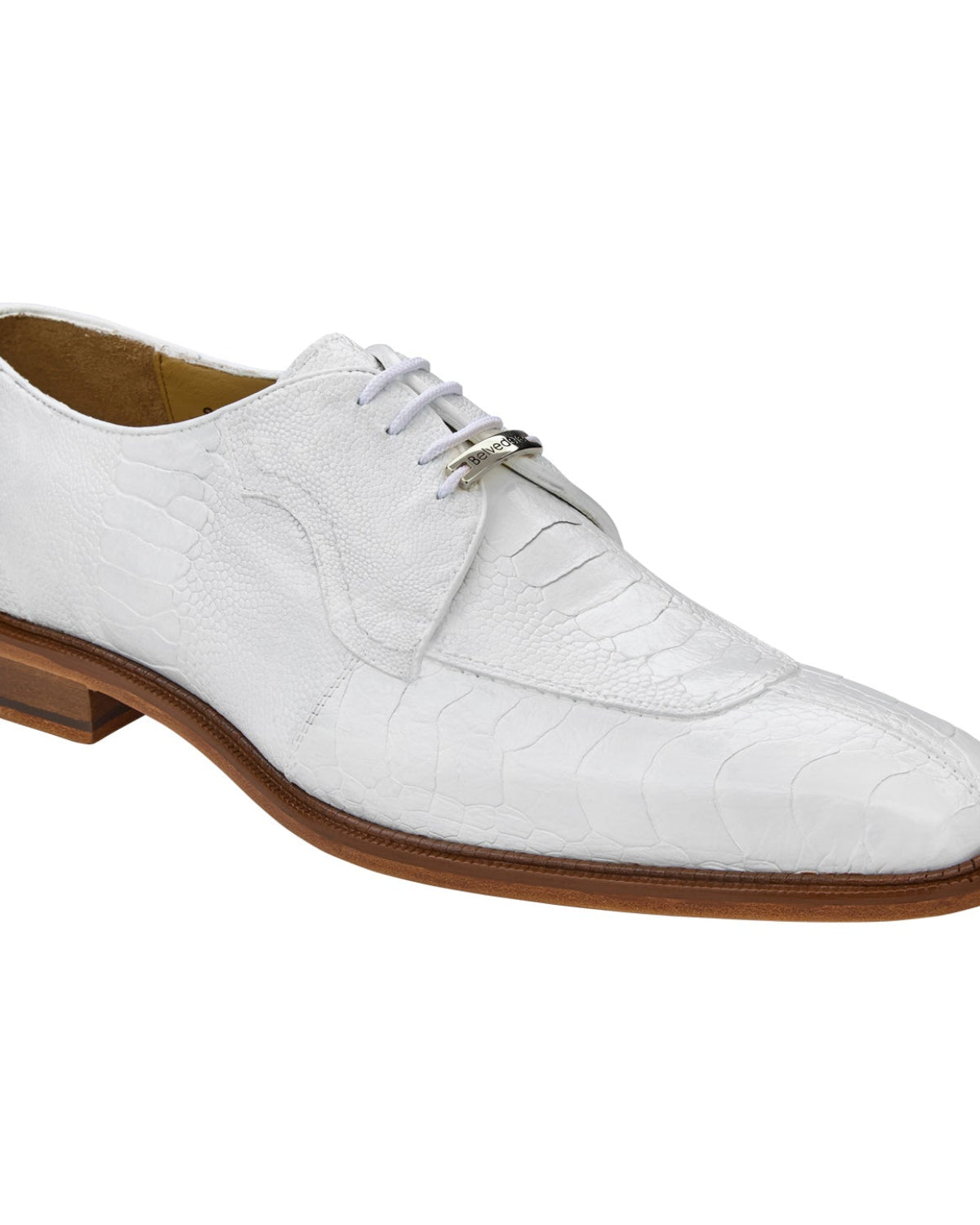
Sleeve length should end just above the large bone in your wrist. This allows about half an inch of your dress shirt cuff to show. This small detail is the hallmark of a man who understands traditional style. If your sleeves cover your palms, you lose the clean line of your arms and appear shorter than you actually are. Pairing your blazer with the right dress shoes can further elongate your silhouette.

Care and Maintenance for Longevity
Once you find the perfect fit, you must maintain it. Always hang your blazer on a wide, contoured wooden hanger to preserve the shape of the shoulders. Avoid wire hangers, which can permanently deform the padding. Between wears, use a garment brush to remove dust and debris rather than sending the jacket to the dry cleaner every week. Excessive dry cleaning uses harsh chemicals that break down the natural fibers of the wool or microfiber blend.
Conclusion: The Confidence of a Correct Fit
A blazer is an investment in your personal brand. When the fit is correct, you do not have to worry about adjusting your jacket or feeling restricted in your movements. You can focus on the occasion at hand, knowing that your silhouette is sharp and intentional. Take the time to measure yourself correctly and prioritize the shoulders and chest for a look that never goes out of style.
Frequently Asked Questions About Blazer Fit
How should a blazer fit in the chest?
You should be able to slide a flat hand between your chest and the buttoned jacket easily. If your hand cannot fit, it is too tight. If there is enough room for a fist, the jacket is too large and requires tailoring through the waist.
Can I tailor a blazer that is too big in the shoulders?
Tailoring shoulders is a complex and expensive process that often costs more than the blazer itself. It is highly recommended to buy a blazer that fits perfectly in the shoulders and have the waist or sleeves adjusted instead.
What is the difference between a blazer and a suit jacket?
A suit jacket is designed to be worn with matching trousers made from the same fabric. A blazer is a standalone piece designed to be worn with contrasting pants, such as chinos or different colored dress slacks, offering more versatility.
Should I leave the bottom button of my blazer unbuttoned?
Yes. On a two-button blazer, always leave the bottom button undone. On a three-button blazer, you may button the top, must button the middle, and must leave the bottom undone. This allows the jacket to drape naturally over your hips.
Read More
How to Pair Shoes with Your Blazer: A Complete Guide
The Best Suit Colors for Every Season
Browse Our Full Blazer Collection