

Key Takeaways
- Customizable lapel styles dramatically change a suit's formality and character
- Fabric selection should prioritize versatility, with wool being the most adaptable option
- Single-breasted suits offer versatility while double-breasted designs make bold statements
- Personalized interior linings add character without compromising professional appearance
- Custom fit is the most crucial element of any custom suit
- Accessories like cufflinks and ties provide additional opportunities for personalization
Custom suits let you create clothing that shows your personality and meets your needs. Whether you're going to a fancy event, an important meeting, or just want to look good every day, you can make a suit that's perfect for you.

From picking the right fabric to choosing buttons and pocket styles, you have tons of options. This guide will show you the important features to think about when getting a custom suit.
1. Fabric Selection: The Foundation of Your Custom Suit
The fabric you choose is super important - it affects how your suit looks, feels, and lasts. This choice makes a big difference in your comfort and how the suit appears all day long.

Wool is the best choice for most suits because it works in all seasons. Our solid color suits collection has many wool options that keep you comfortable year-round. Good wool drapes nicely and keeps its shape throughout the day.
For summer events, you might want lightweight wool, cotton, linen, or tropical wool blends to stay cool. Our Summer Pinch collection has great options for hot weather. For winter, flannel, tweed, and heavier wool keep you warm when it's cold.
If you want to stand out, try velvet, which is great for fancy evening events. Our Red Two Piece Velvet Fashion Suit shows how this fabric can make a big statement. Patterned fabrics like our Grey and Blue Glen Plaid 3-Piece Suit add visual interest and personality.
2. Lapel Styles: Defining Your Suit's Character
The lapel style you pick really changes how your suit looks and how formal it feels. This small detail can completely change your suit's overall appearance.

 The notch lapel is the most common type, with a visible notch where the collar meets the lapel. It works well for business suits and less formal events. You can wear it almost anywhere, from job interviews to weddings.
Peak lapels have points that stick up and out toward your shoulders, creating a bold look. Our Verdant Eclipse Collection Glen Plaid Suit shows this feature nicely. Peak lapels are more formal and make your shoulders look broader.
The shawl lapel has a smooth curved line with no notches or peaks. You usually see these on tuxedos and dinner jackets for black-tie events. Our Sterling Collection Blue Indigo Tuxedo shows how a shawl lapel makes a formal suit look extra fancy.
3. Jacket Construction: Single vs. Double-Breasted
How your suit jacket is made changes its shape and overall look. This choice affects how the suit hangs on your body and how formal it seems.

 Single-breasted jackets have one row of buttons with a narrow overlap of fabric. This classic style, like our Conrad Collection White Blazer, works for almost any event and looks good on most body types.
When customizing a single-breasted jacket, you can choose different button setups: one-button jackets look clean and minimal, perfect for formal events; two-button designs are the most versatile option for business and social events; and three-button styles give a more traditional look that works well for tall people.
Double-breasted jackets have two parallel rows of buttons with a wider overlap of fabric. This style creates a bold look that gets attention. They're traditionally more formal but are becoming popular again in modern styles. Common button patterns include 6×2 (six buttons with two that work) - the classic style, 4×2 (four buttons with two that work) - a more modern look, and 6×1 (six buttons with one that works) - for something unique.
4. Button Selection: Subtle Details That Matter
Buttons might seem small, but they really affect how your suit looks and works. The right buttons can make a good suit great by adding personality or luxury.

The button material can really change your suit's character. Horn buttons have natural patterns and colors from light brown to almost black. Mother-of-pearl buttons shine and look fancy. Corozo (vegetable ivory) buttons are tough and eco-friendly. Metal buttons stand out and work well on blazers. Covered buttons wrapped in the suit fabric create a smooth, formal look.
Button color can match or contrast with your suit fabric. Buttons that match your suit create a sleek look. Contrasting buttons make a bold statement, like in our ElegantEcho Collection Burgundy Suit. Neutral options like brown horn or mother-of-pearl work with most suit colors.
For a personal touch, try button covers and decorative cufflinks that can transform regular buttons into special accessories. These let you add a bit of color or texture to your outfit.
5. Pocket Styles: Functional Fashion Statements
Pockets balance usefulness with style. The pocket style you choose subtly affects how formal your suit looks and its visual balance.
The outside pockets on your jacket come in different styles. Flap pockets, like on our Red Velvet Fashion Suit, give a classic look good for business and formal events. Jetted pockets (also called besom pockets) create a clean, minimal look perfect for formal suits and tuxedos. Patch pockets add a casual feel good for sport coats and less formal suits. Ticket pockets – small extra pockets above the right side pocket – add a touch of vintage British style.
The left breast pocket usually holds a pocket square and comes in styles like welted breast pockets for a clean, formal look or patch breast pockets for a more casual feel.
Inside pockets provide practical storage while staying hidden. Standard inside pockets usually include one on each side. You can add special pockets for things like pens, business cards, or phones. Security pockets with zippers or buttons keep valuables safe.
6. Lining Customization: Hidden Personality
Your suit's lining is a great way to show your personality while keeping a professional outside look. This hidden part can turn a regular suit into something really personal.

The lining material affects both comfort and durability. Silk feels luxurious and regulates temperature well, but costs more. Bemberg/Cupro feels like silk but is more durable and breathable at a better price. Polyester is affordable and durable but less breathable. Cotton breathes well for warm weather but might not feel as smooth as other options.
Lining customization lets you express yourself. Colors that match your suit create a harmonious look. Contrasting colors make a statement when your jacket is open. Patterns from subtle stripes to bold designs or even custom prints allow for unique personalization. Our Classique Collection Taupe Suit shows how a well-chosen lining can enhance the overall design.
You can choose how much of your jacket is lined. Full lining covers the entire inside, giving the most polished look and smooth wear. Half lining covers the upper back and shoulders but leaves the lower part unlined for better breathability. Quarter lining covers only the shoulders and upper sleeves, great for warm climates. Unlined jackets provide maximum breathability but need perfect interior finishing.
7. Fit Customization: The Foundation of Style
How your suit fits is probably its most important aspect. Even with the best fabric and details, a poorly fitting suit won't look good. Customizing your suit's fit makes sure it complements your body shape while keeping you comfortable.
When customizing your jacket fit, think about these key parts: shoulder width should match your natural shoulders without extending beyond or pinching; chest room provides comfortable space while keeping a clean shape; waist shaping creates form without making the jacket pull; sleeve length should show ¼ to ½ inch of shirt cuff; and jacket length traditionally covers your seat, though modern styles might be a bit shorter. Our Sterling Collection Blue Indigo Tuxedo shows a perfect slim fit that follows the body's shape without restricting movement.
Trouser customization includes important aspects like waist fit, which should be comfortable without needing a belt; seat and thigh room that fits your body shape without extra fabric; rise (distance from waistband to crotch) that affects both comfort and proportion; leg taper that determines the shape from thigh to ankle; and break (how trousers meet your shoes) that ranges from no break (showing ankle) to full break (touching shoes).
Consider these general fit profiles when customizing your suit: slim fit follows the body closely, as seen in our Blue Indigo Tuxedo; modern fit offers a tailored look with a bit more room, like our Classique Collection Taupe Suit; regular fit provides classic proportions with comfortable movement; and relaxed fit gives maximum comfort with a more generous cut.
8. Accessory Integration: Completing Your Custom Look
Good accessories can take your custom suit from great to amazing. Well-chosen accessories complement your suit's design while giving you more ways to personalize your look.
Ties offer endless possibilities for customization. Our Men's Polka Dot Silk Navy Tie shows how a quality tie can add personality to your outfit. Made from 100% silk, this tie has a classic polka dot pattern that works great with solid suits. It's 58 inches long and 3 inches wide, perfect for most men.
Cufflinks add sophistication and personal style to your custom suit. For French cuff shirts, check out our Silver Greige Button Cover Cufflinks. These elegant accessories have a crystal center surrounded by more crystals, creating a subtle but luxurious look. They have a secure closure to keep them in place all day.
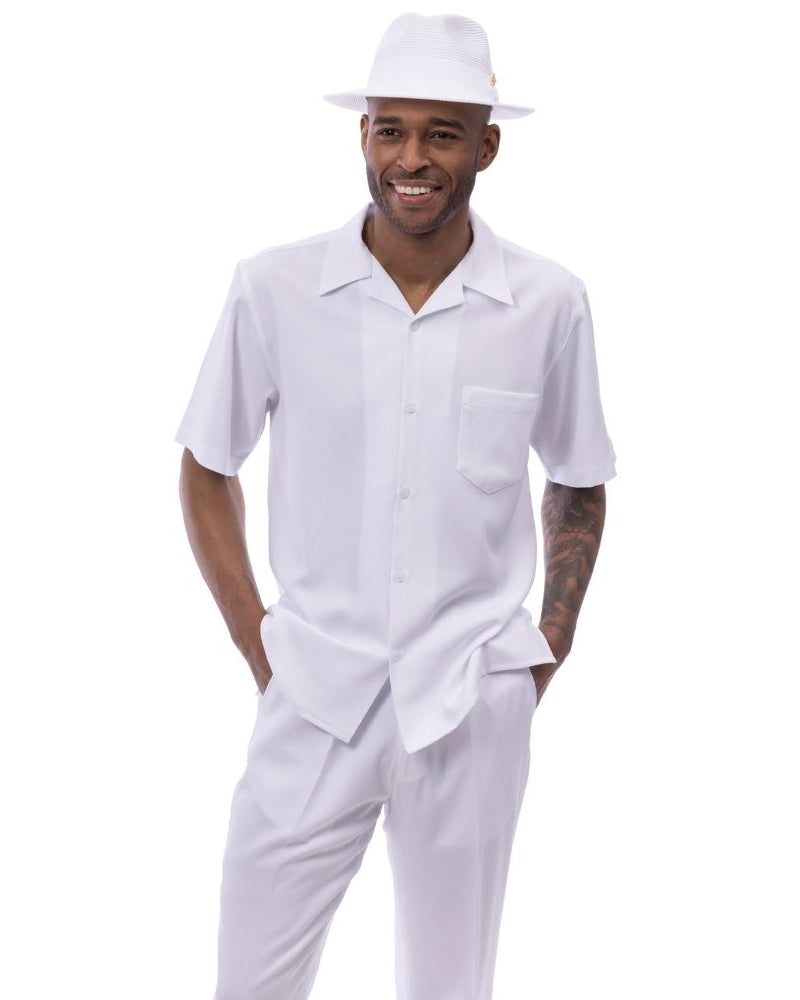
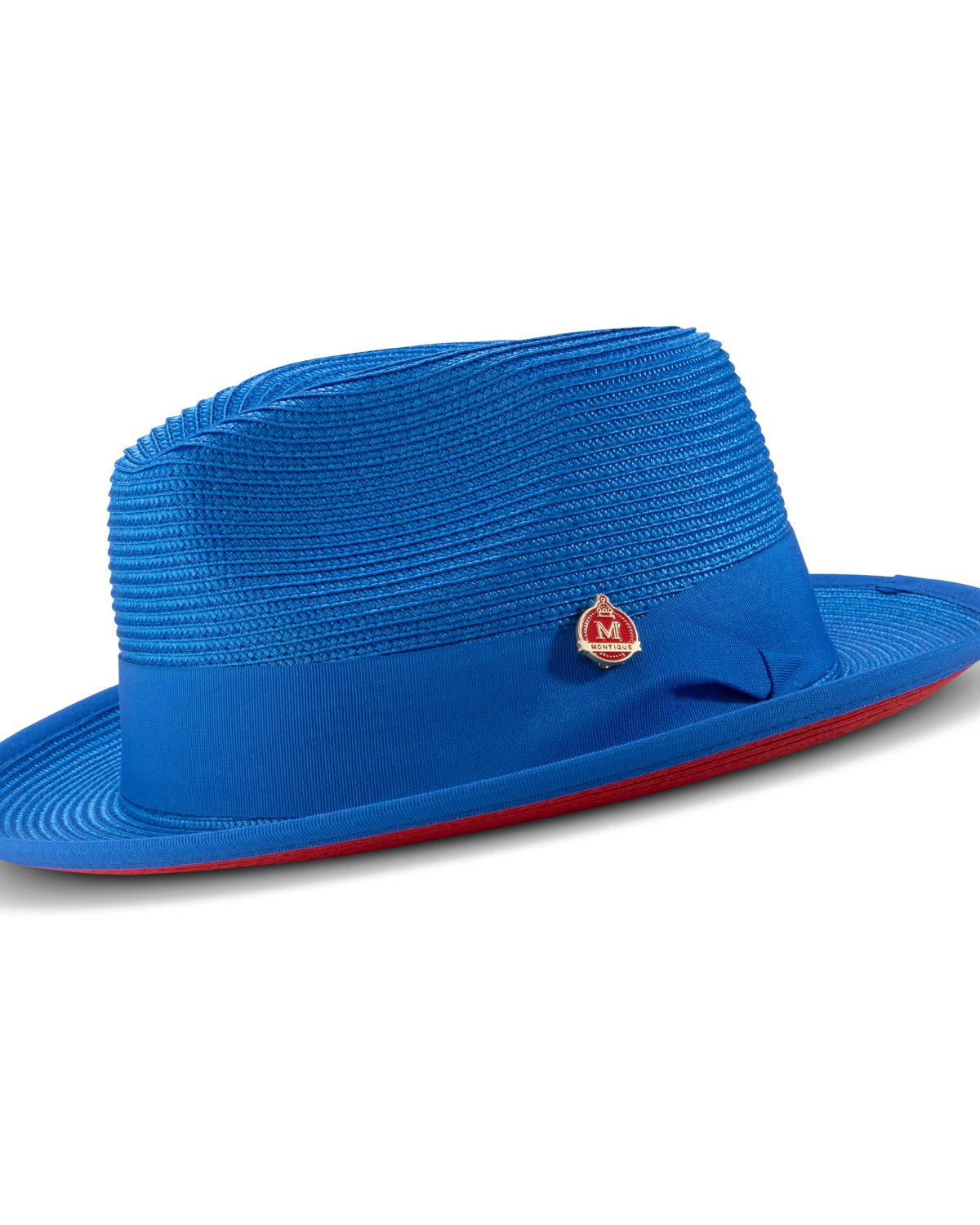
Hats can complete your custom look for certain occasions. Our Imperialis Collection Wool Felt Fedora pairs well with formal suits for a sophisticated, classic look. For a more casual but refined style, try accessories from our Black Walking Suits collection, which offers coordinated pieces designed to work well together.
Conclusion: Creating Your Signature Suit
Customizing your suit isn't just about following trends—it's about creating clothing that really shows your personal style and meets your specific needs. By carefully choosing each part from fabric to fit, buttons to pockets, you can create a suit that's uniquely yours.
Remember that the most important thing about any custom suit is how it makes you feel. When your suit fits perfectly and has details that match your personal style, you'll feel confident and look good in any situation. Whether you like the classic elegance of our Classique Collection, the bold statement of our Red Velvet Fashion Suit, or the refined formality of our Sterling Collection Tuxedo, the customization options make sure your suit will be as unique as you are.
Take time to understand these customizable features and work with good tailors who can help you through the process. A truly custom suit is an investment that will serve you well for years, working for different occasions while keeping its unique character. Your signature suit is waiting—time to create it!
Fabric Selection
The foundation of your suit that determines comfort, durability, and appearance. Choose from options like classic wool, luxurious velvet, or formal tuxedo fabrics to match your style and occasion needs.
Perfect Fit
The most crucial element that ensures your suit enhances your natural proportions. Work with skilled tailors for precise measurements that create a silhouette complementing your body type, available in modern, slim, and classic fits.
Personalized Details
Buttons, linings, and pockets that transform a good suit into a great one. Customize lapel styles, button configurations, pocket designs, and interior linings to create a truly unique expression of personal style.