

By Taylor Rego
Taylor Rego is the style authority behind Suits & More, bringing over a decade of menswear expertise to help men dress with confidence and intentionality. From boardroom blazers to weekend wear, Taylor guides readers through the nuances of personal style, proving that great style is less about trends and more about understanding yourself.
In the grand theater of personal style, shoes are not just the final piece of the puzzle; they're the cornerstone that can make or break an outfit. They're the silent narrators of your style story, offering a glimpse into your personality before you've even uttered a word. Whether you're stepping into the boardroom, hitting the weekend pavement, or dressing for an evening out, the right footwear transforms your entire presence. This comprehensive guide is your key to unlocking the door to a world where every step is a statement, where the right shoe not only complements your outfit but elevates it to realms of sartorial splendor-helping you build a shoe collection that works as hard as you do.
Understanding Shoe Styles: A Complete Overview for Men

Navigating the vast seas of men's shoe styles can be daunting, but fear not-we're here to chart the course. From the laid-back allure of sneakers to the polished poise of dress shoes, each type serves its unique purpose in the wardrobe of the well-dressed man. Loafers whisper tales of casual elegance, while boots shout of adventure and resilience. And let's not overlook sandals, the epitome of leisure and freedom. The secret lies in understanding the versatility of each, allowing you to stride confidently across the diverse landscapes of your lifestyle.
Essential Shoe Types for Every Man's Wardrobe:
- Sneakers: Your go-to for comfort and style. Perfect for almost every casual ensemble, from weekend errands to relaxed social settings.
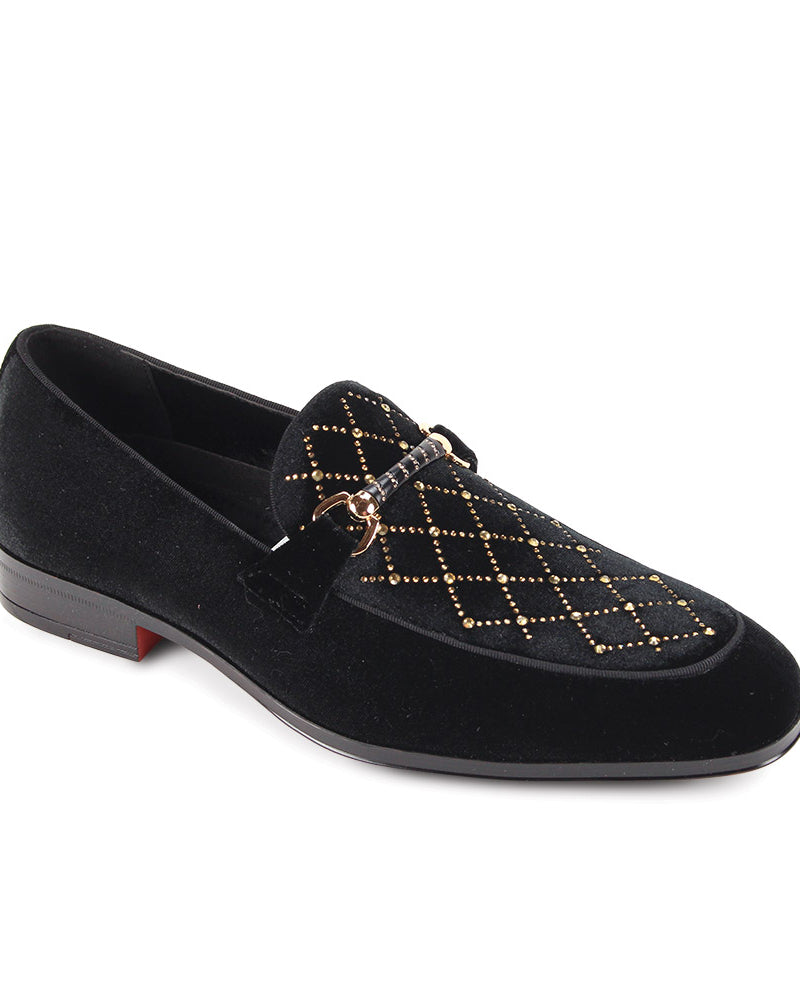
- Loafers: Slip into sophistication with ease. Ideal for smart-casual occasions, weekend outings, and business-casual environments.
- Dress Shoes: The quintessence of formal attire. They're your best bet for suiting up and making a powerful first impression at formal events.
- Boots: Sturdy, stylish, and versatile. A winter wardrobe staple that pairs well with jeans or trousers and adds rugged character to your look.
- Sandals: Embrace summer with open arms (and toes). Best matched with shorts or casual linen pants for warm-weather confidence.
Unlock the secret to elevating your wardrobe with our Ultimate Style Guide to finding the perfect shoes for every outfit. Step into style for every occasion, and discover how the right footwear can transform your entire wardrobe.
The Best Casual Shoes for Men: Comfort Meets Style
The realm of casual wear is vast, but the right footwear can navigate it with ease. Sneakers, the chameleons of the shoe world, range from minimalist leather designs to sporty athletic cuts, adapting seamlessly to your jeans, shorts, and casual trousers. For those days when comfort meets the need for a tad more polish, casual loafers-be they leather or suede-step up to the plate, offering a laid-back elegance that complements a variety of casual outfits without sacrificing comfort or style.
The key to mastering casual shoes is understanding the difference between purely athletic sneakers and lifestyle sneakers. While both offer comfort, lifestyle sneakers blend functionality with elevated aesthetics, making them ideal for transitional looks that bridge casual and smart-casual.
Casual Shoe Pairing Guide for Men:
- With Jeans: Opt for white leather sneakers, minimalist designs, or casual boots for a rugged, effortless vibe. Dark wash jeans pair beautifully with brown or tan loafers.
- With Shorts: Lightweight sneakers and breathable sandals keep things light and breezy. Choose neutral colors that don't compete with your shorts.
- With Casual Trousers: Sleek white sneakers or structured loafers offer a smooth transition from day to night, adding polish without formality.
- With Chino Shorts: Canvas sneakers or suede loafers create an effortlessly refined casual look perfect for weekend outings.
Pro tip: Invest in a quality white leather sneaker and a neutral-toned loafer. These two styles form the foundation of any casual shoe rotation and work with almost everything in your wardrobe.

Business Casual Shoes for Men: Professional Polish Without Formality
Navigating the fine line between too formal and too casual requires a deft touch, and the right shoes carry the power to define your business casual ensemble. Brogues and Oxfords stand out as the stalwarts of this category, offering a blend of sophistication and approachability that complements the business casual ethos perfectly. These styles signal professionalism while remaining approachable-ideal for modern workplaces where the dress code has relaxed but expectations for polish remain high.
Derby shoes offer another excellent business casual option, featuring a more relaxed construction than Oxfords while maintaining formal aesthetics. Loafers in refined materials like polished leather or suede also work beautifully in business casual settings, particularly when paired with dress pants or quality chinos.
Business Casual Shoe Pairing Tips:
- With Chinos: Brogues, with their decorative perforations and textured details, add visual interest and sophistication. Pair brown, tan, or burgundy brogues with neutral or muted-tone chinos.
- With Khakis: Oxfords, in their sleek simplicity, pair beautifully with khakis for a look that's effortlessly refined. Black, brown, or cordovan Oxfords maintain clean lines and professional appearance.
- With Dress Pants: For a slightly elevated business casual look, lean towards polished Oxfords or refined dress loafers to maintain that edge of professionalism. Match shoe color to your pants for visual continuity.
- With Business Casual Blazer: Add a sport coat to your chinos and brogues or khakis and Oxfords for an intentional, polished ensemble that works for client meetings.
The golden rule: Your business casual shoes should always be clean, well-maintained, and in neutral or earth tones. Scuffed or worn shoes undermine even the most carefully coordinated outfit.
Formal Dress Shoes for Men: Making an Elegant Statement
When the occasion calls for a suit, your shoes are the foundation upon which your entire outfit is built. Patent leather Oxfords shine under the spotlight of formal events, their lustrous finish echoing the elegance of the occasion and adding a refined gleam that photographs beautifully. Dress loafers, on the other hand, offer a slip-on sophistication that pairs well with both crisp suits and sleek formal wear, providing comfort without sacrificing elegance.
Whole cut shoes represent the pinnacle of formal footwear-constructed from a single piece of leather with minimal seaming-offering unmatched elegance for black-tie occasions. Monk strap shoes with their distinctive buckle closure, have emerged as a sophisticated alternative to traditional Oxfords, adding modern flair to formal ensembles.
Formal Shoe Coordination Guide for Every Occasion:
- With Dark Suits (Black, Navy, Charcoal): Patent leather Oxfords are the gold standard, adding a definitive polish to your formal attire. Black patent leather is the most versatile choice for evening wear and black-tie events.
- With Gray Suits: Charcoal or black Oxfords provide sharp contrast and professional presence. Avoid brown tones with gray, which can appear dated.
- With Formal Evening Wear: Whole cut shoes or highly polished patent leather Oxfords elevate your look to black-tie standards. These styles should gleam with impeccable shine.
- With Business Formal Attire: Polished leather Oxfords or refined loafers maintain appropriate formality. Ensure all shoes are freshly polished and in pristine condition.
- With Tuxedos: Patent leather pumps or patent leather Oxfords with silk or grosgrain ribbon bows are the traditional choice, though modern interpretations accept polished leather Oxfords.
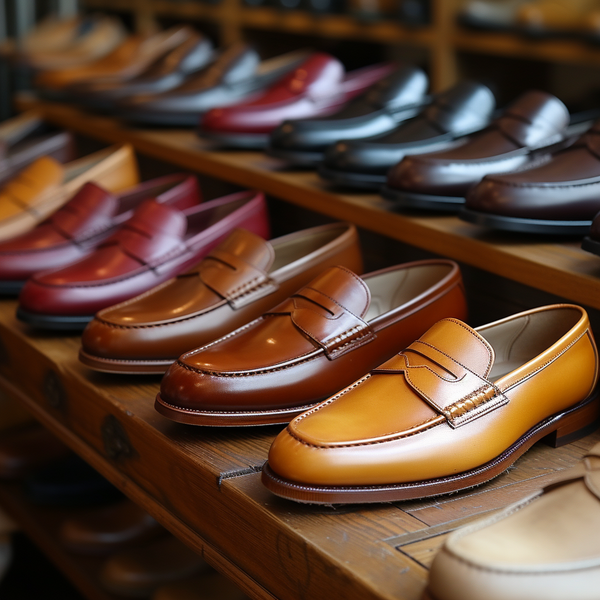
Your formal shoes should be constructed from premium leather, maintain a mirror shine, and show no signs of wear. The investment in quality formal footwear pays dividends across a lifetime of important occasions.
Seasonal Shoe Selection: Adapting Your Footwear Year-Round
As the seasons change, so too should your footwear, adapting not only to the weather but to the seasonal styles and color palettes that define each time of year. Understanding how to rotate your shoe collection keeps your look fresh, extends the lifespan of your shoes through proper rest periods, and ensures you're always appropriately dressed for the season.
Seasonal Shoe Selection Guide:
- Spring/Summer Shoes: Embrace lightweight loafers, breathable canvas sneakers, and open-toe sandals. Opt for lighter materials and bright or neutral colors to reflect the season's warmth and vitality. Suede and linen blends offer breathability and seasonal appeal. Consider unlined shoes and perforated designs that promote airflow.
- Fall/Winter Shoes: Transition to sturdy leather boots, insulated leather sneakers, and polished dress shoes that offer both protection and warmth. Darker colors including black, brown, burgundy, and forest green are seasonally appropriate. Materials like full-grain leather and suede are resilient against the elements and develop rich patina with age.
Shoe Maintenance by Season:
- Spring/Summer Care: Keep your shoes fresh with regular cleaning and conditioning. Use breathable shoe trees to absorb moisture and prevent odor. Store sandals in a cool, dry place to avoid damage from humidity and UV exposure. Rotate shoes regularly to allow them to dry completely between wears.
- Fall/Winter Care: Condition and waterproof your leather footwear immediately to protect against rain, salt, and snow damage. Invest in quality cedar shoe trees-they maintain shape, absorb moisture, and naturally prevent odor during the colder months. Clean off salt and grime after exposure to winter weather. Consider protective sole treatments to extend shoe life.
Pro maintenance tip: Alternate between multiple pairs of shoes within the same season. This allows leather to rest and recover, prevents moisture accumulation, and significantly extends the lifespan of your footwear investment.
Color Coordination and Shoe Accessories: Completing the Look

In the symphony of style, color coordination and the right accessories play the lead roles in creating a harmonious look. The choice of shoe color should not only complement your outfit but also echo your personal style narrative and the occasion's requirements. Mastering color theory in footwear elevates even basic outfits into intentional, coordinated ensembles.
Men's Shoe Color Matching Guide:
- Neutral Shoes: Black, brown, navy, and gray shoes are versatile staples that can anchor most outfit palettes. Black works universally with formal wear and dark outfits. Brown (in tan, cognac, or oxblood variations) offers warmth and works beautifully with earth tones, blues, and greens. Navy provides a sophisticated alternative to black while remaining highly versatile.
- Bold Shoes: For the daring at heart, shoes in burgundy, forest green, or rich jewel tones can serve as a statement piece. Pair bold-colored shoes with muted outfit tones-think neutral pants and solid tops-to let your shoes shine without creating visual chaos.
- Seasonal Color Choices: Light tans, creams, and whites shine in spring and summer. Deep browns, blacks, and burgundies dominate fall and winter. Matching your shoe color to seasonal expectations reinforces intentional styling.
Accessorizing with Your Shoes:
- Socks: The Bridge Between Shoe and Outfit: Let them be a visual bridge between your shoes and your outfit, or a subtle pop of color and pattern that adds an element of sophisticated surprise. Match sock color to either your shoes or your pants for visual continuity. Pro tip: Slightly visible socks in complementary or patterned styles add polish to formal and business casual looks.
- Belts: The Matching Rule: A classic rule-match your belt to your shoes for a cohesive, intentional look. Leather belts with leather shoes, suede belts with suede shoes. This simple coordination elevates your entire ensemble and signals attention to detail.
- Other Accessories: From watch straps to pocket squares to tie patterns, let these details subtly reflect the colors and textures of your footwear choice. A leather watch strap that echoes your shoe color, or a pocket square that picks up a secondary tone creates sophisticated visual harmony.
Building Your Essential Shoe Wardrobe: Investment Pieces for Every Man
Rather than chasing trends, smart menswear relies on building a core collection of versatile, high-quality shoes that work across multiple contexts. The following foundation pieces ensure you're always appropriately shod for life's various demands:
The Five Essential Shoes Every Man Should Own:
- White Leather Sneaker: The most versatile casual shoe. Works with jeans, shorts, casual pants, and even some smart-casual outfits. Choose clean lines and premium leather construction.
- Neutral Loafer (Tan or Brown): Your smart-casual workhorse. Pairs with chinos, casual pants, jeans, and light suits. Offers more polish than sneakers without formal stiffness.
- Oxford in Black or Dark Brown: Your business casual and professional baseline. Works with dress pants, chinos, and under business suits. Choose a polished construction that photographs well.
- Chelsea Boot or Chukka Boot: Your weather-appropriate option. Extends your footwear functionality into colder months and adds textural interest to casual and business casual outfits.
- Polished Formal Oxford or Patent Leather Dress Shoe: Your evening and formal occasion essential. Invest in premium construction and maintain impeccable shine. This shoe should gleam.
With these five core pieces, you can appropriately dress for virtually any occasion without duplicating styles or purchasing frivolous trend pieces.
To Polish Off
As we draw the curtains on our comprehensive guide to the perfect shoes for every outfit, remember that shoes are more than just a footnote in your style story-they're a declaration of your fashion sensibility and an investment in your daily confidence. The right pair not only complements your outfit but elevates it, adding a final polish to your look and transforming how you move through the world. We encourage you to view your shoe collection not just as functional items but as pieces of art and engineering that express your individuality and values.
Experiment with styles, colors, and textures within your personal aesthetic. Find those unique pieces that resonate with your personal narrative-whether that's classic and timeless, bold and contemporary, or somewhere in between-and watch as they transform your wardrobe and confidence. Quality footwear is an investment that pays returns not just in longevity, but in the daily boost of confidence that comes from knowing your shoes are exactly right.
Hungry for more guidance on building your signature style? Dive into our curated collection of versatile footwear options designed to meet the demands of your dynamic lifestyle and varied tastes. From timeless classics to contemporary interpretations, find your next pair of statement shoes that will become the cornerstone of your wardrobe and a trusted companion for years to come.

Frequently Asked Questions About Men's Shoes
What are the most versatile shoes for men?
The most versatile shoes are a white leather sneaker, a neutral loafer, and a black or dark brown Oxford. These three styles work across casual, business casual, and semi-formal occasions. A white leather sneaker pairs with nearly everything, a neutral loafer bridges casual and smart-casual, and an Oxford transitions seamlessly into business and formal wear.
How many pairs of shoes should a man own?
While there's no magic number, most style experts recommend owning at least 5-7 pairs of quality shoes that cover different occasions: casual (sneakers, loafers), business casual (brogues, Oxfords), formal (patent leather dress shoes), and weather-appropriate (boots). Quality matters far more than quantity-five excellent pairs will serve you better than twenty mediocre ones.
How should dress shoes fit?
Dress shoes should fit snugly but comfortably around the heel and midfoot without being tight. There should be approximately a thumb's width of space between your longest toe and the shoe's end. The shoe should feel secure when walking without any heel slippage. Leather dress shoes often require a brief break-in period, but they should never cause pain during that process.
Can you wear sneakers with business casual?
Yes, but with intentionality. Clean, minimalist white leather sneakers or premium lifestyle sneakers can work in modern business casual environments, particularly when paired with tailored trousers or quality chinos. Avoid athletic or sporty sneakers in business settings-choose styles with clean lines and premium materials that elevate rather than casual-ize your outfit.
How do I prevent leather shoes from cracking?
Regular conditioning is key. Condition your leather shoes every 3-6 months with a quality leather conditioner to maintain moisture and prevent cracking. Use shoe trees to maintain shape and absorb moisture between wears. Store shoes in a cool, dry place away from direct heat or sunlight. Rotate between multiple pairs to allow leather to rest and recover between wears.
What shoe color goes with everything?
Black and dark brown are the most universally versatile shoe colors. Black works with virtually any formal or business outfit and pairs beautifully with dark jeans and neutral casual wear. Dark brown offers warmth and pairs equally well with business attire, casual wear, and earth-toned outfits. Navy is an excellent third option for versatility.
Should dress shoes be leather?
For formal and business occasions, genuine leather is strongly recommended. Leather develops character over time, maintains its shape better, ages beautifully, and signals quality and professionalism. While quality synthetic materials exist, leather dress shoes are a worthwhile investment that will last significantly longer and maintain their appearance through regular conditioning and care.
How often should I polish my dress shoes?
Polish your dress shoes every 2-4 wears, depending on your environment and usage. A quick buff with a soft cloth between wearings maintains shine. Deep cleaning and polishing every few wears keeps leather conditioned and protected. For formal occasions, always ensure shoes are freshly polished with a gleaming finish-dull shoes undermine even the most carefully coordinated outfit.