

Written by Tiffany Mclean, Style Contributor at Suits & More
Tiffany writes about men's seasonal style, hat culture, and the details that take a good outfit to a great one.
Last updated: June 2026
The shoes finish the suit. A sharp jacket and trousers lose their impact fast if the footwear is wrong - mismatched in formality, clashing in color, or simply the wrong style for the occasion. Getting this pairing right takes some basic knowledge of suit types, shoe styles, and color rules. This guide covers all of it.
Understanding the Basics of Suit Styles
Suits fall into a few broad categories, and each one calls for a different approach to footwear.
- Business suits are built for the office and formal daytime settings. Solid colors, wool or wool blends, and a structured fit define this category.
- Casual suits allow more room for personal style. Linen, cotton, lighter colors, and patterns work well here, suited to relaxed offices or evening outings.
- Formal attire includes tuxedos and tailcoats. Luxury fabrics and dark, rich colors define this category, reserved for black-tie events and the most formal occasions.
The fabric and color of your suit set the tone for which shoes will work. Identifying which category your suit falls into is the first step toward choosing the right footwear.

The Essential Shoe Types Every Man Should Know
Shoes carry the same range of formality as suits do. Here are the four core styles every man should have in his rotation.
- Oxfords: The standard dress shoe, built with a closed lacing system that creates a sleek, formal profile. Oxfords pair with business and formal suits and deliver a polished, finished look.
- Derbies: Built with open lacing, derbies have a slightly more relaxed structure than oxfords. They work well with business casual and smart casual outfits and offer more comfort for extended wear.
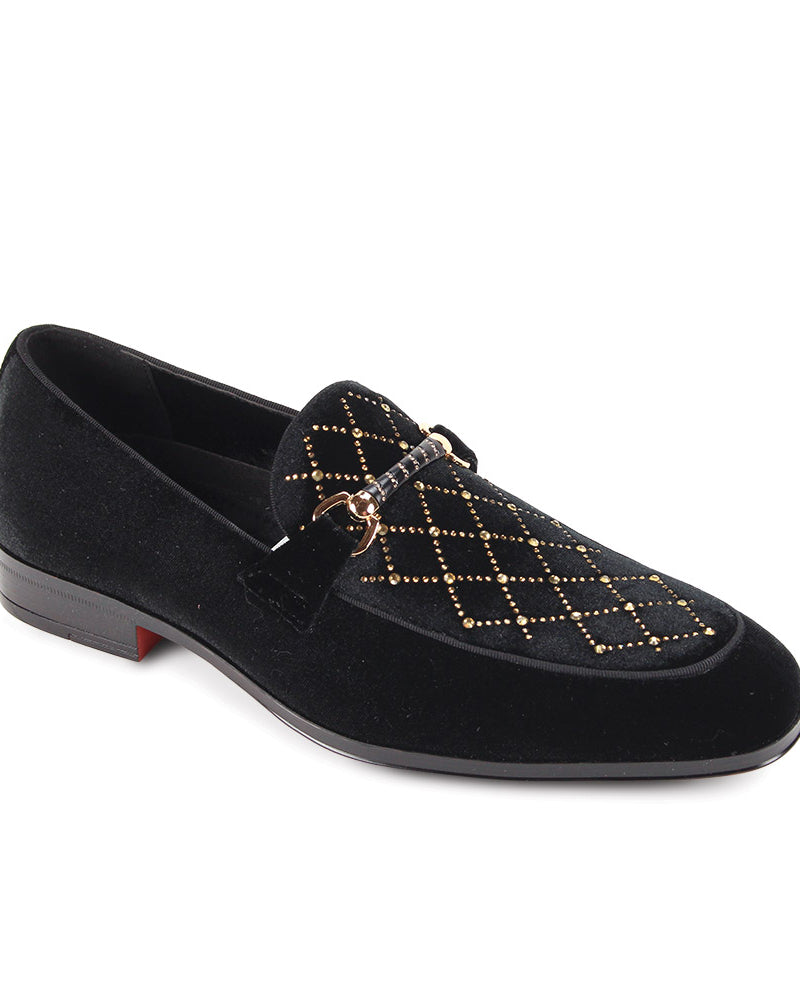
- Loafers: A slip-on style that adds laid-back elegance to an outfit. Loafers pair naturally with casual suits and deliver a sharp look with minimal effort.
- Monk straps: Available in single or double strap versions, monk straps bring a distinctive look that sits between formal and casual. They work well for men who want their footwear to carry some personality.
Matching the shoe type to the suit's formality level - and to the occasion - is the foundation of a coordinated outfit.
Color Coordination and Contrast
Getting the color relationship between shoe and suit right makes the difference between a sharp outfit and a mismatched one. Here is the breakdown by suit color.
- Black suits call for black shoes. This pairing is timeless and reliable for any formal occasion.
- Navy and dark blue suits offer the most flexibility. Black shoes create a classic look, brown shoes add a modern twist, and burgundy shoes make a stronger statement.
- Grey suits - from light grey to charcoal - open up a wide range of options. Black shoes keep the look classic, while brown shoes add warmth.
- Earthy and beige suits pair naturally with brown or tan shoes. These warm tones complement the suit's natural color palette and work especially well for casual or summer settings.
Contrast Versus Coordination
High contrast - a light suit with dark shoes, or the reverse - creates visual interest and works well for occasions where some boldness is appropriate. Coordinating tones create a unified, harmonious look that suits formal events. Choose the approach that matches the occasion, and keep the rest of the outfit consistent with that decision.
Occasion Matters: Pairing for the Event
The formality of the event determines how much room you have to experiment with your shoe choice.
- Weddings: Black oxfords are the standard choice for evening weddings. Lighter brown derbies work well for daytime celebrations. Always check the wedding's dress code before deciding.
- Job interviews: Black or dark brown oxfords are the safest and most appropriate choice. This is not the occasion to experiment - conservative footwear signals respect for the opportunity.
- Casual outings: This is where loafers, monk straps, and even high-quality sneakers can work with a casual suit. Color and texture choices have more flexibility here.
The general rule: the more formal the event, the more traditional the shoe choice should be. As the occasion becomes more casual, the range of acceptable styles and colors expands.

Accessorizing Your Suit and Shoe Combination
Accessories tie the look together once the suit and shoes are settled.
- Belts: Match the belt to the shoes. A black belt pairs with black shoes; a brown belt pairs with brown shoes. The leather finish should also match - a textured leather shoe calls for a textured leather belt.
- Watches: Metal bands suit formal events. Leather bands work for most other occasions, and the leather color should echo the color of the shoes and belt.
- Socks: Matching socks to the trousers creates a seamless line from suit to shoe. Patterned socks add personality when the color base still complements the suit and shoes.
Each accessory should support the overall outfit rather than compete with it. A pocket square, tie clip, or lapel pin works best when it reinforces the color story already established by the suit and shoes.
Care and Maintenance for Shoes and Suits
Proper care extends the life of both the suit and the shoes, keeping them looking sharp for years.
Shoe Care
- Regular cleaning: Dust off shoes after each wear and apply leather cleaner or conditioner on a regular schedule. This prevents the leather from drying out and cracking.
- Proper storage: Use shoe trees to maintain shape and absorb moisture. Store shoes away from direct sunlight and damp areas to prevent fading and mold.
- Rotation: Avoid wearing the same pair every day. Rotating shoes allows the leather to air out and reduces wear over time.
Suit Care
- Hang correctly: Use suit hangers that support the shoulders. This keeps the fabric from stretching or losing its shape.
- Steam instead of iron: Steaming removes wrinkles without the risk of shine or flattening that an iron can cause on fine suit fabric.
- Dry clean sparingly: Frequent dry cleaning shortens the life of a suit. Spot clean when possible and reserve dry cleaning for when it's genuinely needed.

Common Mistakes to Avoid
- Mismatched formality: Wearing casual shoes with a formal suit, or the reverse, breaks the cohesion of the outfit. Match the formality level of the shoes to the suit every time.
- Ignoring color coordination: Clashing colors pull attention away from an otherwise well-fitted suit. Apply the basic color rules and the outfit stays seamless.
- Overlooking the occasion: Skipping the event's dress code leads to overdressing or underdressing. Match the shoe and suit choice to the occasion every time.
Frequently Asked Questions
What color shoes go with a navy suit?
Black, brown, and burgundy shoes all work with a navy suit. Black creates the most classic and formal look. Brown adds a modern, slightly more relaxed feel. Burgundy makes the strongest statement of the three. The right choice depends on the occasion - black for formal events, brown or burgundy for business casual or social settings.
Can I wear brown shoes with a black suit?
Black shoes are the standard and most reliable choice for a black suit. Black suits are typically reserved for formal events, funerals, and black-tie occasions, where the classic black-on-black pairing is expected. Brown shoes with a black suit create a contrast that most formal settings do not call for.
What is the difference between oxfords and derbies?
Oxfords use a closed lacing system, where the eyelet tabs are stitched under the toe cap, creating a sleek, formal silhouette. Derbies use an open lacing system, where the eyelet tabs sit on top of the shoe, giving them a slightly more relaxed structure. Oxfords are the better choice for business and formal suits. Derbies suit business casual and smart casual outfits.
What shoes should I wear to a wedding as a guest?
Black oxfords are the standard choice for evening weddings. For daytime or outdoor weddings, lighter brown derbies or loafers work well, especially with a lighter-colored suit. Always check the wedding's dress code first - some weddings specify a particular formality level that should guide the shoe choice.
Do my belt and shoes need to match exactly?
The belt and shoes should be in the same color family and a similar leather finish, though they do not need to be an exact match. A black belt pairs with black shoes, and a brown belt pairs with brown shoes. If the shoes have a textured or grained leather, a belt with a similar texture creates a more cohesive look than a smooth leather belt would.
How often should I rotate my dress shoes?
Avoid wearing the same pair of dress shoes on consecutive days. Rotating between at least two pairs allows the leather and insole to fully dry out between wears, which extends the life of the shoe and prevents the leather from breaking down prematurely. A simple two-pair rotation - one black, one brown - covers most suit and occasion combinations.
In Closing
Pairing shoes with a suit comes down to matching formality levels, understanding basic color coordination, and accounting for the occasion. Master those three elements and the rest of the outfit falls into place. Suits & More carries a wide selection of suits, shoes, and accessories built to coordinate with each other - browse the collection to build a wardrobe that works together from the ground up.
Read More
10 Rules for Suit Styling Every Man Should Know
Understanding Suit Alterations: What You Need to Know Before Buying