

Written by Taylor, Style Contributor at Suits & More
Taylor covers menswear, walking suits, and how to build coordinated looks that are intentional from head to toe.
Last updated: March 2026
A walking suit is already a coordinated look - matching jacket, shirt, and pants in one set. But the shoes you put underneath can either sharpen the whole outfit or quietly undercut it. The right pair pulls everything together. The wrong pair makes it look unfinished.
This guide covers exactly how to match your shoes to your walking suit - by color, by occasion, and by style. Whether you are dressing for church, a dinner, a wedding, or just a day out, these pairings will help you step out looking sharp and intentional every time.

Serialized Collection: Plum Printed 2-Piece Walking Suit - pair with tan or cognac dress shoes for a rich, warm look.
Understanding Walking Suits
A walking suit is a two-piece coordinated set - typically a matching long sleeve shirt and dress pants, sometimes with a jacket. Unlike a traditional suit, the shirt is designed to be worn as the top layer. That means the shoe choice carries more weight because there is no blazer lapel or tie drawing the eye upward. The shoes and the suit work together as a complete visual statement.
Walking suits come in a wide range of colors - rich jewel tones like burgundy, plum, and royal blue, earthy neutrals like tan, brown, and olive, and sharp classics like black, white, and navy. Each color calls for a different shoe approach.
The Basics of Shoe Color Matching
Before getting into specific pairings, here are the three principles that make shoe matching simpler:
Match the tone, not the exact color. Your shoes do not need to be the same color as your suit. They need to be in the same tonal family - warm with warm, cool with cool - or provide a deliberate contrast that looks intentional.
The belt should match the shoes. If you are wearing a brown belt with a walking suit, your shoes should be in the brown family. If you go with black shoes, wear a black belt. This is one of the simplest rules in menswear and one of the most noticed when broken.
Consider the occasion. A polished lace-up or oxford reads more formal. A loafer or moc toe reads smart casual. A slip-on reads relaxed. Match the shoe style to the occasion, not just the color.
Color Combinations That Work
Here is a breakdown of the most common walking suit colors and the shoe pairings that work best with each:
Black walking suit - Black is the most formal base, and it gives you the most options. Black shoes are the standard choice and always sharp. Dark brown or cognac adds warmth and works well for evening events. Burgundy shoes with a black suit make a bold, elevated statement. Avoid tan or white shoes - the contrast is too casual for the look.
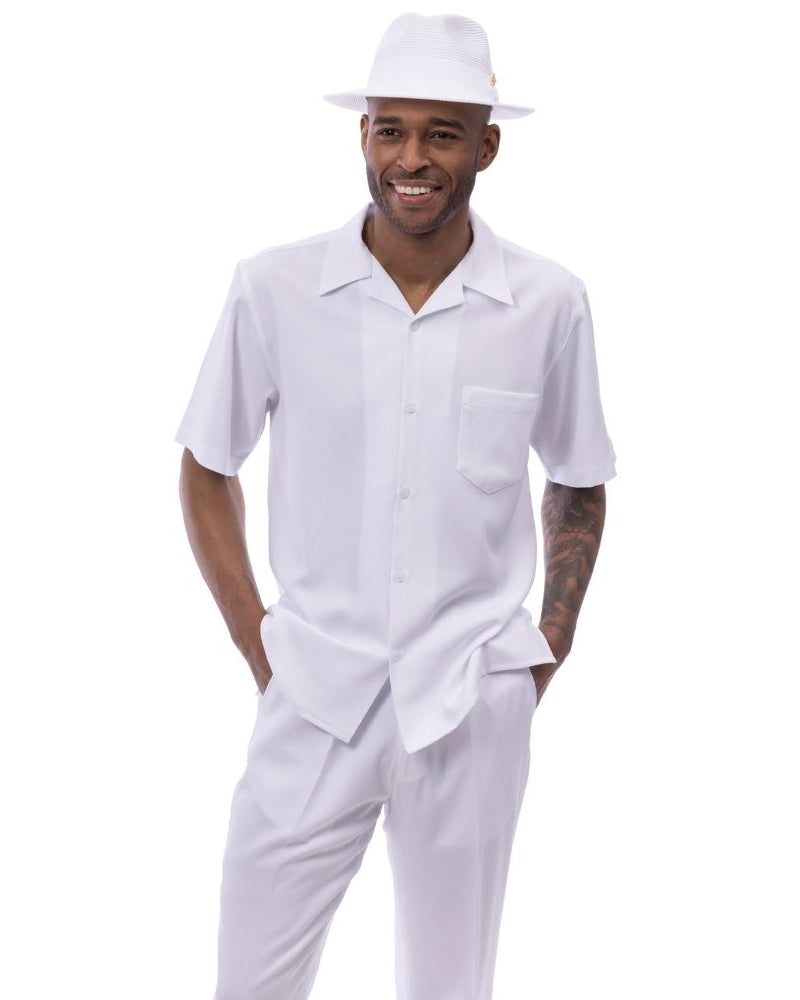
White or cream walking suit - White suits are a statement on their own. Tan or cognac shoes keep the look warm and grounded. Brown shoes provide contrast without competing with the suit. Black shoes create a strong formal contrast and work well for special occasions. Avoid white shoes with a white suit - it flattens the whole look.
Navy walking suit - Navy is one of the most versatile suit colors in menswear. Tan and cognac are the classic pairing - the warm and cool tones balance each other naturally. Brown shoes work beautifully. Black shoes make it more formal. All three are correct choices depending on the event.
Burgundy walking suit - Burgundy and tan is one of the strongest combinations you can wear. The warm red-brown of the suit and the warm sand of the shoe are in the same tonal family and make each other look richer. Black shoes also work for a formal burgundy look. Avoid brown shoes - too close in tone and the contrast is muddy.
Brown walking suit - Tan shoes are the natural match - tonal, cohesive, and clean. Cognac is another strong choice. Black shoes provide sharp contrast if you want a more formal look. Avoid burgundy shoes with brown - the tones clash.
Plum or purple walking suit - Plum is a rich jewel tone that pairs well with tan, cognac, and warm brown shoes. The contrast between the cool purple and the warm earth tone of the shoe is what makes it work. Black shoes are also appropriate for formal occasions. Avoid navy or grey shoes - they fight with the plum rather than complement it.
Royal blue or cobalt walking suit - Tan and white shoes both work well with bright blues. Brown and cognac provide a warm grounding contrast. Black shoes are reserved for more formal occasions with this color. Avoid grey - it dulls the brightness of the blue.
Olive or green walking suit - Earth tones are the natural companion. Tan, brown, and cognac all work. Dark brown is particularly strong with olive. Avoid black shoes - the combination loses the earthy warmth that makes a green suit look intentional.
Shoe Styles and When to Wear Them
Color is one piece of the puzzle. The style of the shoe matters just as much when it comes to how dressed up or relaxed the overall look reads.
Oxford and plain toe lace-ups - These are the most formal shoe styles. Clean lines, no decoration, and a closed lace system. They work best for church services, weddings, formal dinners, and any occasion where the walking suit is being worn as a dress look.
Wingtip brogues - Wingtips sit between formal and smart casual. The broguing across the toe cap adds visual character without making the shoe look casual. They work well for dinners, events, gatherings, and occasions where you want personality in your look.
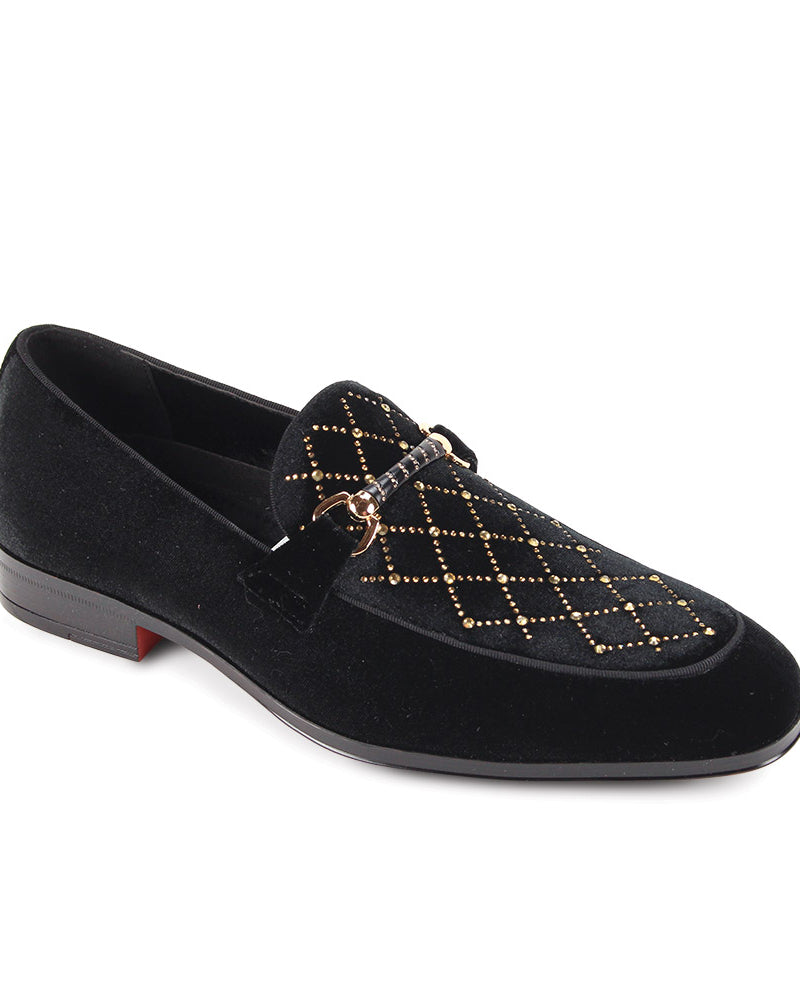
Loafers - Loafers are the relaxed end of dress shoes. Penny loafers and horsebit loafers both read as polished casual. They work well with walking suits for outings, social events, and any occasion that does not require a full formal look.
Moc toe shoes - The moc toe silhouette has a stitched seam across the toe that gives it a distinctive, slightly rugged profile. It bridges smart casual and dress casual - a good choice for daytime events, outdoor gatherings, and looks where you want comfort without sacrificing style.

The right dress shoe anchors the whole walking suit look - shop the full collection at Suits & More.
Choosing the Right Sole
Most men focus on the upper part of the shoe and overlook the sole. The sole affects both comfort and how the shoe reads visually.
Leather soles are traditional dress shoes and read as the most formal option. They are best for indoor events and smooth surfaces.
Rubber or synthetic soles are more practical for outdoor wear and provide better grip. Many modern dress shoes use them without sacrificing the appearance of the upper. If you are wearing your walking suit to an outdoor event or a venue where you will be on your feet for hours, a rubber sole makes a real difference in comfort.
Building a Complete Look
The shoe is the foundation, but the full look includes a few more pieces worth coordinating.
Belt - As mentioned, the belt should match the shoe. Same color family, same finish. A matte brown belt with glossy cognac shoes creates an inconsistency that is subtle but noticeable.
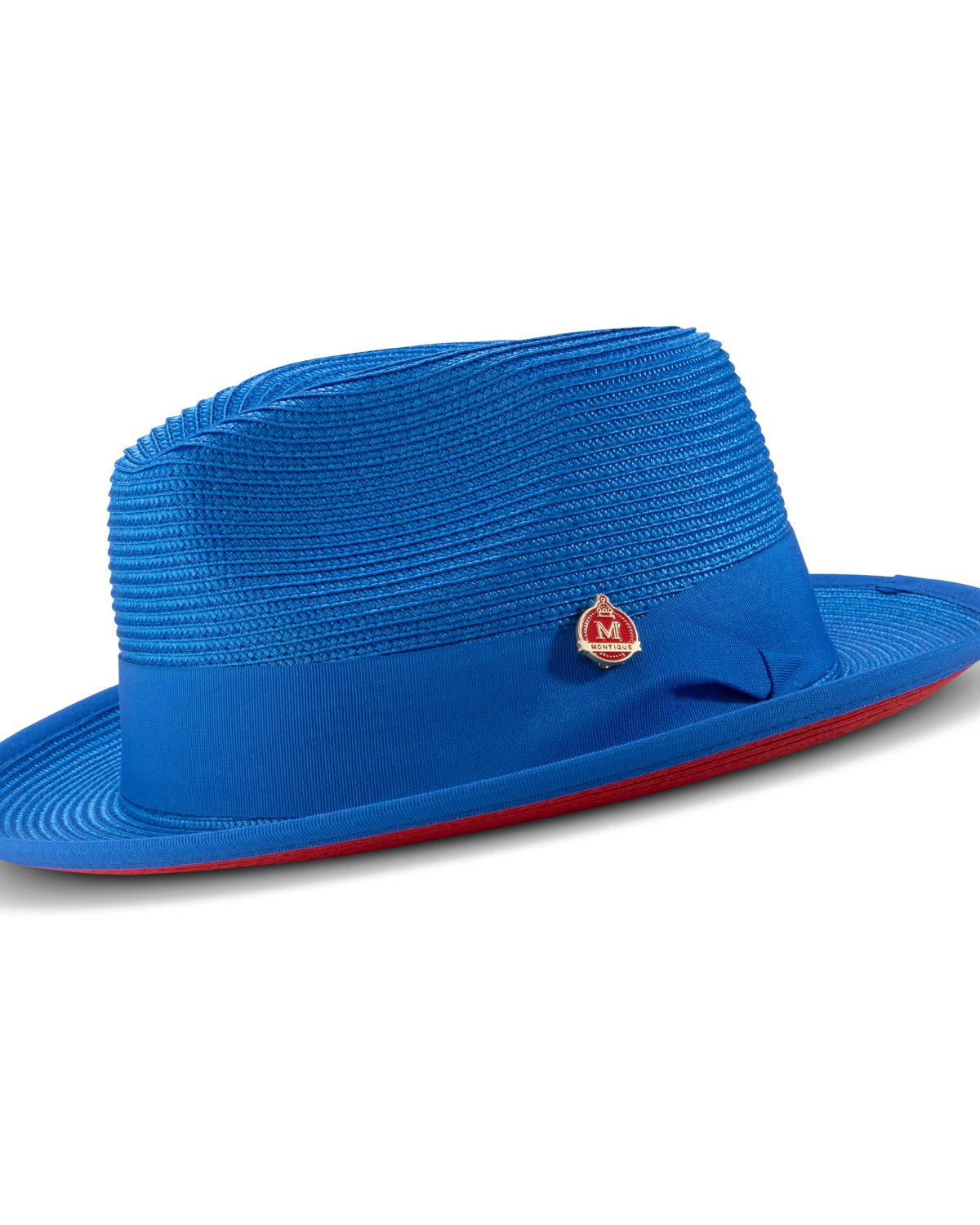
Hat - A fedora or dress hat can tie the whole look together. The hat does not need to match the shoes exactly, but it should be in the same color register. A tan fedora pairs naturally with tan shoes and a brown or burgundy suit. A black hat with a black or navy suit looks sharp and intentional.
Socks - Socks should match the pants, not the shoes. When you sit down or cross your legs, visible socks in a clashing color break the visual line of the leg. Dark socks with a dark suit, and coordinated socks with lighter looks.
The Most Common Mistakes to Avoid
White sneakers with a walking suit. A walking suit is a dress look. Even a casual walking suit reads as smart and put together. White sneakers immediately bring the formality level down and create a jarring contrast. Save the sneakers for casual outfits.
Mismatched belt and shoes. Brown shoes with a black belt is the most common mistake in menswear. It signals that the look was not thought through. The fix is simple - keep a black belt and a brown belt in your wardrobe and switch them out depending on the shoe.
Scuffed or unpolished shoes. A sharp walking suit with beat-up shoes is a contradiction. The suit signals effort. The shoes signal the opposite. A quick wipe-down and occasional polish makes a meaningful difference in how the full look lands.
Shoes that are too casual for the occasion. Loafers and moc toes are fine for social outings but underdress a formal event. When in doubt about the formality level, lean toward a lace-up oxford or wingtip.

Tykes Collection: Houndstooth Color Block 2-Piece Walking Suit in Wine - pair with tan or cognac shoes for a rich, warm combination.
Simple Pairings - Quick Reference
Black walking suit - Black shoes (classic), dark brown or cognac (warm contrast), burgundy (bold statement).
Burgundy walking suit - Tan or cognac (strongest pairing), black (formal look).
Navy walking suit - Tan or cognac (classic), brown (rich contrast), black (formal).
Plum walking suit - Tan or cognac (warm contrast), black (formal evening).
Brown walking suit - Tan or cognac (tonal), black (sharp contrast).
White or cream walking suit - Tan or cognac (warm), brown (grounded contrast), black (bold formal).
Olive walking suit - Tan, brown, or cognac (earthy, coordinated).
Frequently Asked Questions
What color shoes go best with a walking suit?
Tan and cognac shoes are the most versatile choice because they pair well with most walking suit colors - burgundy, navy, brown, plum, olive, and cream. Black shoes work for formal occasions and look sharp with black, navy, and dark suits. The key is matching the shoe tone to the suit tone rather than picking randomly.
Can I wear loafers with a walking suit?
Yes - loafers work well with walking suits for social events, dinners, and outings. For more formal occasions like weddings or church services, a lace-up oxford or wingtip brogue is a stronger choice. The silhouette of the suit tends to look more polished with a closed-lace shoe when formality matters.
Should my shoes match my hat when wearing a walking suit?
They do not need to be the same color, but they should be in the same tonal family. A tan or cognac fedora coordinates naturally with tan or brown shoes. A black hat pairs with black shoes. The goal is for the accessories to feel like they belong in the same look, not like they were picked independently.
What shoes go with a burgundy walking suit?
Tan and cognac shoes are the strongest pairing for a burgundy walking suit. The warm red-brown of the suit and the warm sand of the shoe are complementary tones that make each other look richer. Black shoes also work for a more formal look. Avoid brown - the tones are too similar and the contrast gets muddy.
Do shoes need to match the belt when wearing a walking suit?
Yes - the belt and shoes should always match in color and finish. It is one of the most consistent rules in menswear. A brown shoe with a black belt signals that the look was not thought through. Keeping one black belt and one brown belt in your wardrobe makes this easy to manage.
What is the difference between a wingtip and an oxford?
An oxford is a clean, plain-toe lace-up shoe with no decoration - the most formal of the two. A wingtip has brogued perforations across the toe cap in a W-shape, which adds visual character and makes it slightly less formal. Both work with walking suits, but the oxford is better for strictly formal occasions and the wingtip handles a wider range of events.
Build Your Look Right From the Ground Up
The walking suit already does most of the work. The shirt, the pants, and the coordination are built into the set. Your job is to finish it correctly - and that starts with the shoes. Get the shoe pairing right and the whole look locks in.
Browse the full shoes collection at Suits & More and find the pair that completes your look. And if you are still building out your walking suit wardrobe, explore our full walking suits collection - from classic solids to bold prints, there is a look for every occasion.
About the Author
Taylor is a style contributor at Suits & More with a focus on menswear coordination, walking suits, and building complete looks from head to toe. Based in the New York - New Jersey area.