

Written by Tiffany, Style Contributor at Suits & More
Tiffany covers men's footwear, accessories, and outfit styling for Suits & More. With a focus on helping men build versatile, coordinated wardrobes, she breaks down the rules of color, pattern, and pairing so every look feels intentional.
Last updated: August 2026
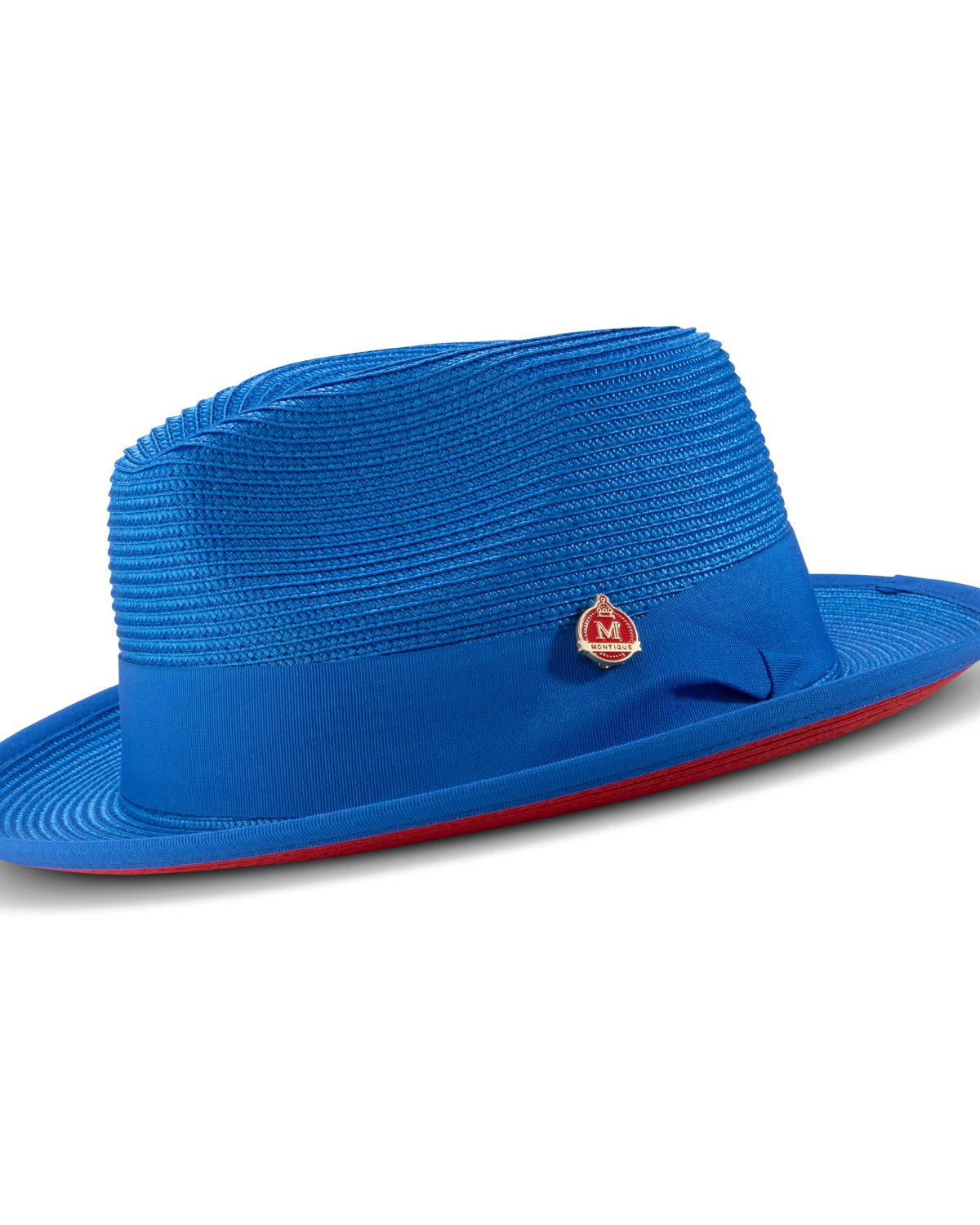
Men's straw hats are one of the most seasonally versatile accessories in men's fashion - sharp enough to elevate a walking suit at a summer event, relaxed enough to work with casual weekend outfits, and practical enough to provide real sun protection through a long day outdoors. A quality straw hat worn and maintained correctly will hold its shape, its color, and its structure for multiple seasons. Neglected, even a well-made straw hat loses its form quickly.
This guide covers the complete maintenance routine for men's straw hats - from routine cleaning after each wear to stain removal, reshaping, correct storage, and knowing when the hat needs professional attention. Follow these steps consistently and your straw hat will remain a reliable, sharp part of your wardrobe year after year.

Understanding Your Straw Hat
Straw hats are made from a range of materials - tightly woven shantung, natural toyo, paper straw, raffia, and genuine Panama grass among them. Each material has different flexibility, durability, and water resistance, which affects how you clean and handle the hat. A fine Panama weave requires more careful handling than a sturdier toyo or paper straw construction.
The weave density also determines how the hat responds to moisture and reshaping. A tightly woven hat holds its shape more rigidly but can crack if bent too sharply. A looser weave is more flexible but loses its shape more easily when exposed to heat or humidity. Understanding the specific construction of your hat guides every maintenance decision - cleaning method, storage approach, and how aggressively you can reshape it when needed.
Check the care label inside the hat's sweatband for material information. When a care label is absent, handle the hat with maximum caution - treat it as a fine weave until you have reason to believe otherwise.
Routine Cleaning
Regular cleaning after each wear prevents dirt, dust, and sweat from building up in the weave and causing permanent discoloration or material degradation. The routine takes only a few minutes and extends the hat's life significantly.
Brushing. Use a soft-bristled hat brush after each wear to remove surface dust and debris. Brush gently with the grain of the weave - in the direction the straw runs - rather than against it. Brushing against the grain catches and pulls individual strands, which weakens the weave over time. Work around the crown first, then the brim, keeping pressure light throughout.
Spot cleaning. For surface marks and minor soiling, dampen a clean soft cloth with plain water - just enough moisture to address the area without saturating the straw - and dab gently at the affected spot. Add a small amount of mild soap to the cloth for more persistent marks, then follow with a second pass using a clean damp cloth to remove any soap residue. Allow the hat to air dry completely before wearing or storing.
Sweatband maintenance. The inner sweatband collects moisture and oils with every wear. Wipe it with a dry cloth after each use. For deeper cleaning, a cloth lightly dampened with a mild soap solution cleans the band without affecting the hat's exterior. Keep moisture contained to the band and away from the straw when cleaning this area.
Dealing with Stains and Spills
Speed is the most important factor in stain removal. A stain addressed within the first few minutes causes significantly less damage than one allowed to set for hours.
Sweat stains. Sweat stains on the exterior of a straw hat typically appear as yellowing or darkening along the brim and lower crown. Mix a small amount of gentle soap with cool water and apply lightly to the stained area with a soft cloth. Pat - do not rub - the area to work the solution into the stain, then wipe with a clean damp cloth to rinse. Allow to air dry fully before inspecting the result. Repeat if necessary rather than applying aggressive pressure in a single pass.
Food and solid residue. Remove solid debris first using a blunt edge - the back of a spoon or a dull knife - to lift the material off the surface without pressing it deeper into the weave. Follow with the same gentle soap and water method used for sweat stains. Work from the outside edge of the stain inward to prevent spreading.
Liquid spills. Blot immediately with a clean absorbent cloth to lift as much of the liquid as possible before it absorbs into the straw. Press gently and lift - rubbing spreads the liquid and drives it deeper into the weave. After blotting, follow with the spot cleaning method above if any residue remains.

Maintaining Shape and Form
A straw hat's shape is its most visible quality. Once the brim warps or the crown dents, the hat reads as worn-out regardless of how clean the straw is. Correct handling and prompt attention to shape issues prevents most deformation from becoming permanent.
Handling. Always pick up and place the hat by the brim, gripping near the front and back rather than at the sides. Pinching or gripping the crown repeatedly creates dents and creases in the top of the hat that are difficult to remove. When putting the hat on or taking it off, use both hands on the brim rather than gripping the crown.
Reshaping dents in the crown. Apply gentle steam to the dented area using a clothes steamer or by holding the hat above a pot of simmering water, keeping the hat at a safe distance from the direct steam source. Once the straw is warm and slightly pliable, use your fingers to gently press the area back into shape. Hold the corrected shape in place while the straw cools - the straw will set in whatever position it is in as it returns to room temperature. Do not rush this process by applying heat directly from an iron or hair dryer, which can scorch or crack the straw.
Correcting a warped brim. Apply steam to the warped area using the same method as for crown dents. Once the brim is pliable, lay the hat on a flat surface and apply gentle, even pressure to flatten and correct the brim line. Covering the brim with a clean cloth and applying a cool iron on its lowest setting over the cloth can help set a flat brim back to its correct position - never apply the iron directly to the straw surface.
Storage
Correct storage between wears and during off-season periods protects the hat's shape and prevents the color degradation and material damage that come from poor storage conditions.
Surface and position. Store the hat upside down on its crown or on a dedicated hat stand that supports the crown from the inside. Storing brim-down on a flat surface distorts the brim over time as the weight of the crown presses down on it. A hat stand keeps the brim free of pressure and maintains the crown's shape simultaneously.
Environment. Store in a cool, dry location with good airflow and away from direct sunlight. UV exposure fades the natural color of straw material and weakens the fibers over time. Heat sources - radiators, car dashboards, sunny windowsills - dry out the straw and cause cracking. Humidity causes the straw to go limp and lose its structure. A wardrobe or closet shelf in a climate-controlled room is the correct environment for straw hat storage.
Travel. A hat box is the correct solution for transporting a straw hat. Pack the crown with crumpled tissue paper to maintain the crown's shape under pressure from the lid. A hat box in luggage prevents the hat from being compressed or bent by surrounding items during transit. Avoid folding or compressing a rigid straw hat - unlike crushable felt styles, most straw hats will crack rather than spring back from significant compression.
Off-season storage. Before putting the hat away at the end of the season, clean it thoroughly using the routine cleaning steps above and allow it to dry completely. Store in a hat box with tissue paper in the crown, in a cool dry location. Placing a small silica gel packet inside the hat box absorbs residual moisture and prevents mildew from developing during long storage periods.

Seasonal Considerations
Rain and moisture exposure. Straw hats are not waterproof and heavy rain will cause significant damage to most straw constructions - warping the brim, softening the crown, and potentially causing the straw to split or discolor as it dries. If a straw hat gets wet, reshape it immediately while the straw is still pliable and allow it to air dry completely at room temperature away from direct heat. Do not use a hair dryer or place it near a heat source to speed up drying - slow air drying preserves the shape better than accelerated drying.
High humidity. Prolonged humidity causes straw hats to lose their crispness and structure. In consistently humid environments, store the hat with silica gel packets and check it periodically throughout the season for any signs of mildew or softening. A hat that has gone soft from humidity can often be reshaped using the steam and cooling method described above once the ambient humidity normalizes.
When to Seek Professional Help
Stubborn or set stains. Stains that have been in the hat for an extended period, or that do not respond to repeated gentle cleaning attempts, require professional treatment. Attempting to remove a deeply set stain with more aggressive home methods risks damaging the straw permanently. A professional hat cleaner has access to cleaning agents and techniques appropriate for specific straw materials.
Significant shape distortion. When the crown has collapsed, the brim has warped severely, or the hat has been compressed to the point where home steaming and reshaping cannot fully restore the original form, a professional milliner or hat restoration service can often recover the hat using specialized forms and steaming equipment that are not available for home use.
Finding the right service. Look for a hat cleaner or milliner with verifiable experience handling straw hats specifically - felt hat care and straw hat care require different approaches, and not all hat cleaners handle both. Ask about their process before committing, and ask whether they have worked with your specific hat material. A reputable service will be transparent about what results are realistic for your hat's condition.
Frequently Asked Questions About Men's Straw Hat Care
How do you clean a men's straw hat at home?
Use a soft-bristled brush to remove surface dust after each wear, brushing with the grain of the weave. For spots and marks, dab gently with a clean cloth dampened with plain water or a small amount of mild soap solution. Allow to air dry completely before wearing or storing. Avoid submerging a straw hat in water or placing it under running water - excess moisture warps the brim and softens the crown structure.
How do you get sweat stains out of a straw hat?
Mix a small amount of mild soap with cool water and apply lightly to the stained area with a soft cloth. Pat the area gently rather than rubbing, then wipe with a clean damp cloth to remove the soap. Allow to air dry fully. For stains that have set over time, repeat the process across multiple sessions rather than applying aggressive pressure in one attempt, which risks damaging the straw surface.
How do you reshape a straw hat that has lost its form?
Apply gentle steam to the misshapen area using a clothes steamer or by holding the hat above simmering water at a safe distance. Once the straw is warm and pliable, reshape with your fingers and hold the corrected position while the straw cools. The straw sets as it cools, so maintaining the correct shape through the full cooling process is important. For a warped brim, steaming followed by laying the hat flat under gentle pressure corrects most brim distortion.
How should a men's straw hat be stored?
Store upside down on the crown or on a hat stand that supports the crown from inside. Keep in a cool, dry location away from direct sunlight, heat sources, and high humidity. For travel or off-season storage, use a hat box with tissue paper packed into the crown to maintain the shape. A silica gel packet inside the hat box absorbs moisture during long storage periods.
Can a straw hat get wet?
Straw hats are not waterproof and are damaged by heavy rain and prolonged moisture exposure. A light misting of rain is generally manageable - reshape the hat if needed and allow it to air dry at room temperature. Heavy or prolonged rain will warp the brim and weaken the crown structure. When rain is forecast, store the hat or protect it rather than wearing it through significant precipitation.
How long does a men's straw hat last with proper care?
A quality straw hat maintained correctly - brushed regularly, stored properly, kept away from excess moisture and direct sunlight, and reshaped when needed - will hold its form and appearance for multiple seasons. The longevity depends on the quality of the original construction and how consistently the care routine is followed. Premium woven straw hats from established collections, cared for correctly, are genuinely multi-year investments.
Ready to add a quality straw hat to your wardrobe? Browse our full men's straw hat collection at Suits & More, including fedoras, wide brims, and braided styles. Every order ships from Newark, NJ with free shipping on orders over $75.