


Written by Tiffany McLean, Veteran Stylist at Suits & More
Tiffany McLean is a veteran stylist at Suits & More who has helped hundreds of first-time walking suit buyers find their look. If you have questions about fit, occasion, or how to accessorize, this guide is written with you in mind.
Last updated: February 2026
What Is a Walking Suit? The Beginner's Complete Guide
If you have never owned a walking suit before, the name can be a little misleading. It sounds like something you wear on a leisurely stroll - but that is not quite right. A walking suit is one of the most versatile pieces in men's fashion, and once you understand what it is and how to wear it, you will wonder why you waited so long to own one.
This guide covers everything a first-time buyer needs to know: what a walking suit actually is, how it differs from a traditional suit, when and where to wear it, how it should fit, and how to build the complete look from head to toe.

What Exactly Is a Walking Suit?
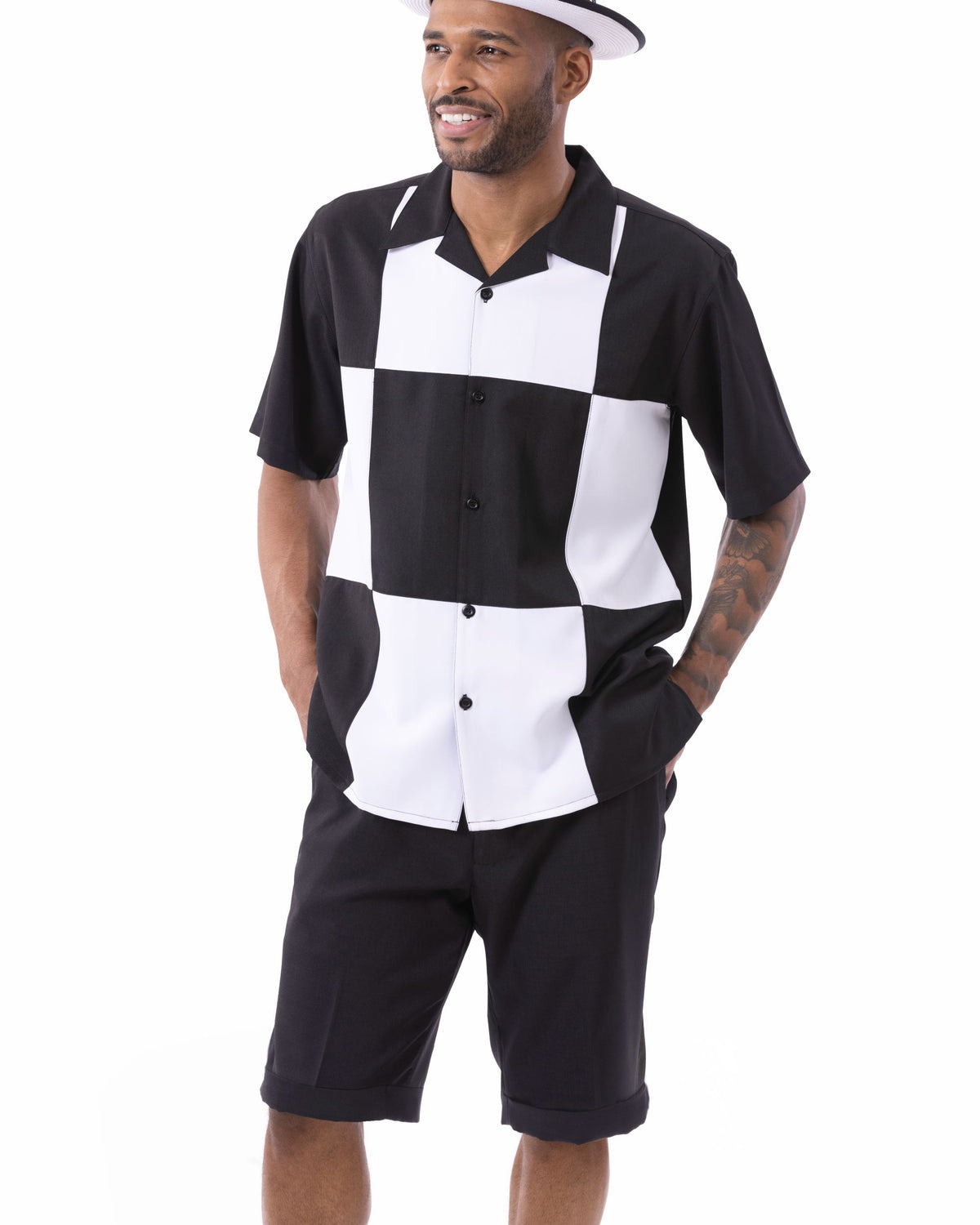
A walking suit is a coordinated two-piece set: a matching button-up shirt and a pair of pants, designed to be worn together as a complete look. That coordination is the defining feature. The shirt and pants are not random separates that happen to work together - they are designed as a unit, with matching fabric, color, and often pattern.
The shirt is the centerpiece. It is meant to be worn on its own - open at the collar, worn untucked, without a blazer over it or a tie beneath it. This is what separates a walking suit from a traditional suit, and it is exactly why walking suits feel so effortlessly put-together. You are not assembling an outfit from separate parts. You are putting on a complete look in two pieces.
How Is a Walking Suit Different from a Traditional Suit?
| Traditional Suit | Walking Suit | |
|---|---|---|
| Pieces | Blazer + dress shirt + trousers | Matching shirt + pants (2 pieces) |
| Shirt worn | Tucked in, under blazer, with tie | Untucked, as the main piece |
| Formality | Business formal to black tie | Smart casual to semi-formal |
| Comfort level | Structured, more restrictive | Relaxed fit, more freedom of movement |
| Accessories | Tie, pocket square, cufflinks | Hat, watch, chain, dress shoes |
| Best for | Office, black tie events | Church, events, social occasions |
When and Where Can You Wear a Walking Suit?
This is the question most first-time buyers ask, and the honest answer is: more places than you think. A walking suit sits in the sweet spot between casual and formal - dressed up enough to show respect for an occasion, relaxed enough that you can spend hours in it comfortably. Here is how it plays in real situations:
Church and Sunday Service
This is the most common occasion for walking suits, and for good reason. A long sleeve walking suit in navy, charcoal, or burgundy, paired with a matching fedora and dress shoes, is a complete Sunday Best look that shows up with intention. You are not in jeans, and you are not overdressed in a three-piece suit. You are exactly right for the room.
Weddings and Special Events
Walking suits work beautifully for weddings as guests or - if the dress code is not black tie - even as wedding party attire. A bold, well-coordinated walking suit in a rich jewel tone stands out at a reception without looking like you did not try. Pair with a coordinating hat and clean dress shoes and you have a complete event look.
Cocktail Parties and Social Gatherings
A walking suit in a strong color or bold pattern is made for social settings where you want to be remembered. The full coordinated look tells people you put thought into what you wore - and that kind of intentionality reads as confidence in any room.
Casual Occasions - Brunch, Barbecue, Golf
A short sleeve walking suit in a lighter color or relaxed pattern is perfectly appropriate for casual settings. For outdoor events and warm-weather occasions, short sleeve styles with solid or color-block designs keep the look sharp without being overdressed. Even a pair of well-made sandals can work here.

What Season Are Walking Suits For?
Walking suits are a three-season wardrobe staple. Their relaxed fit and breathable fabrics make them ideal for spring, summer, and fall. In winter, a long sleeve walking suit can work for indoor events, but the style was designed for warmer conditions.
The practical breakdown: short sleeve walking suits for late spring through early fall. Long sleeve styles for spring, fall, and cooler summer evenings. If you are in a warmer climate year-round, short sleeve suits can be worn across all four seasons.
How Should a Walking Suit Fit?
Fit is where first-time buyers most often go wrong - either sizing too big because they want comfort, or too small because they want a sharp look. The right answer is neither extreme.
The shirt should sit at the natural shoulder seam - not hanging off it, not pulling across the back. It should move with you comfortably. The body of the shirt should be relaxed but not shapeless. Worn untucked, the hem should fall to the top of the hip.
The pants should sit comfortably at your natural waist. You should not need a belt to hold them up. There should be enough room in the seat and thighs to move freely. Length should just touch the top of your shoe. If you are between sizes, always go up and have the length hemmed - it is the easiest and most affordable alteration.
Walking suits are sold as coordinated sets - the shirt and pants are not available separately, and the size pairing is predetermined. Use our size chart to match your measurements before ordering. When in doubt, our team is happy to help you choose.

How to Wear a Walking Suit: Step by Step
If you are building the look for the first time, start here and work outward:
Step 1 - The suit itself. Put on the shirt and pants as a set. The shirt goes on untucked. Do not layer it under a blazer - the shirt is the main piece, not a foundation layer. Button it to the level of formality you want for the occasion.
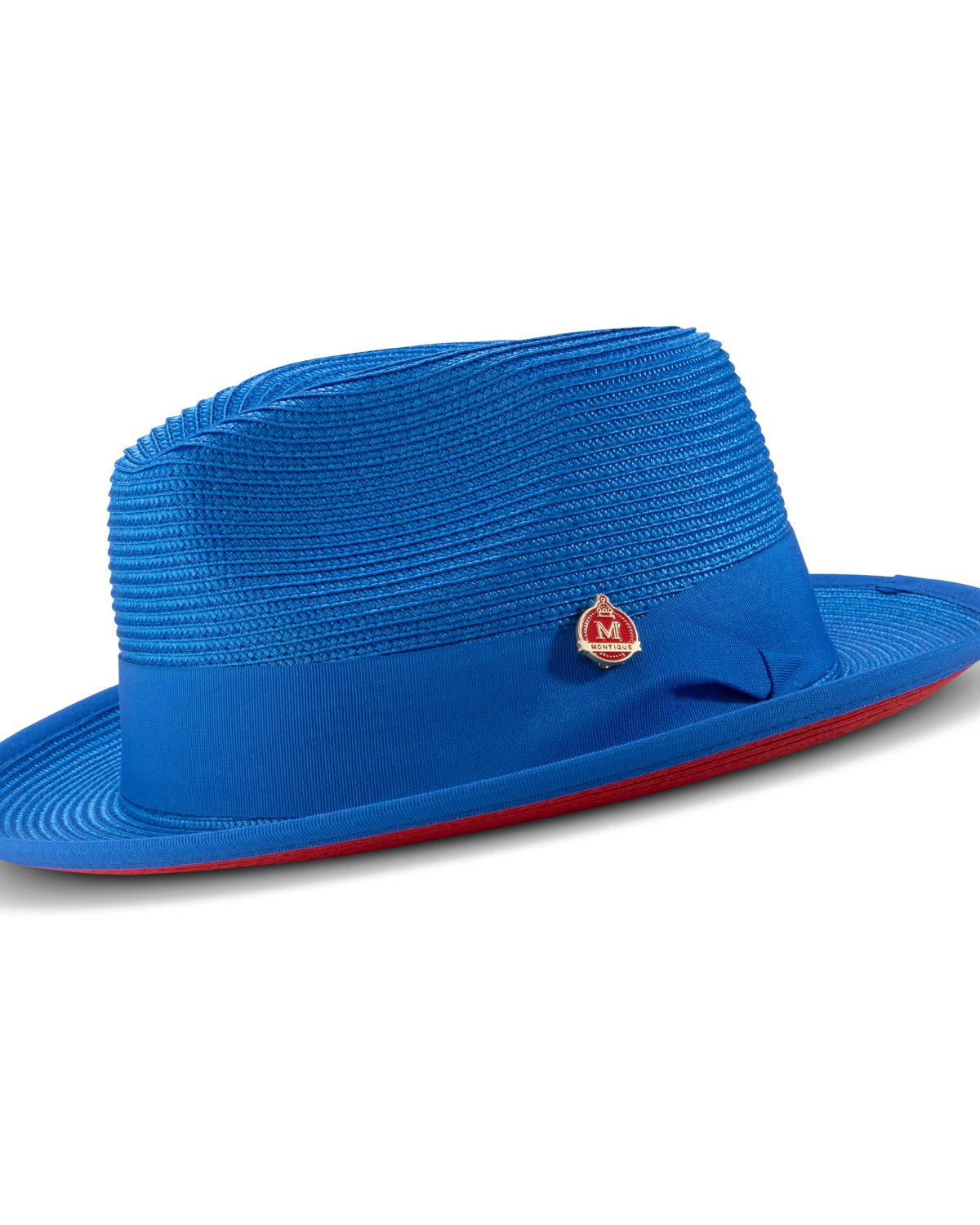
Step 2 - The hat. For formal occasions, a fedora in a coordinating color is the standard choice. For casual settings, a straw hat, ascot, or Panama hat can work. For anything in between, a clean felt fedora in a tone that matches or complements the suit is always right. Browse our fedora and dress hat collection for options that coordinate with your suit.
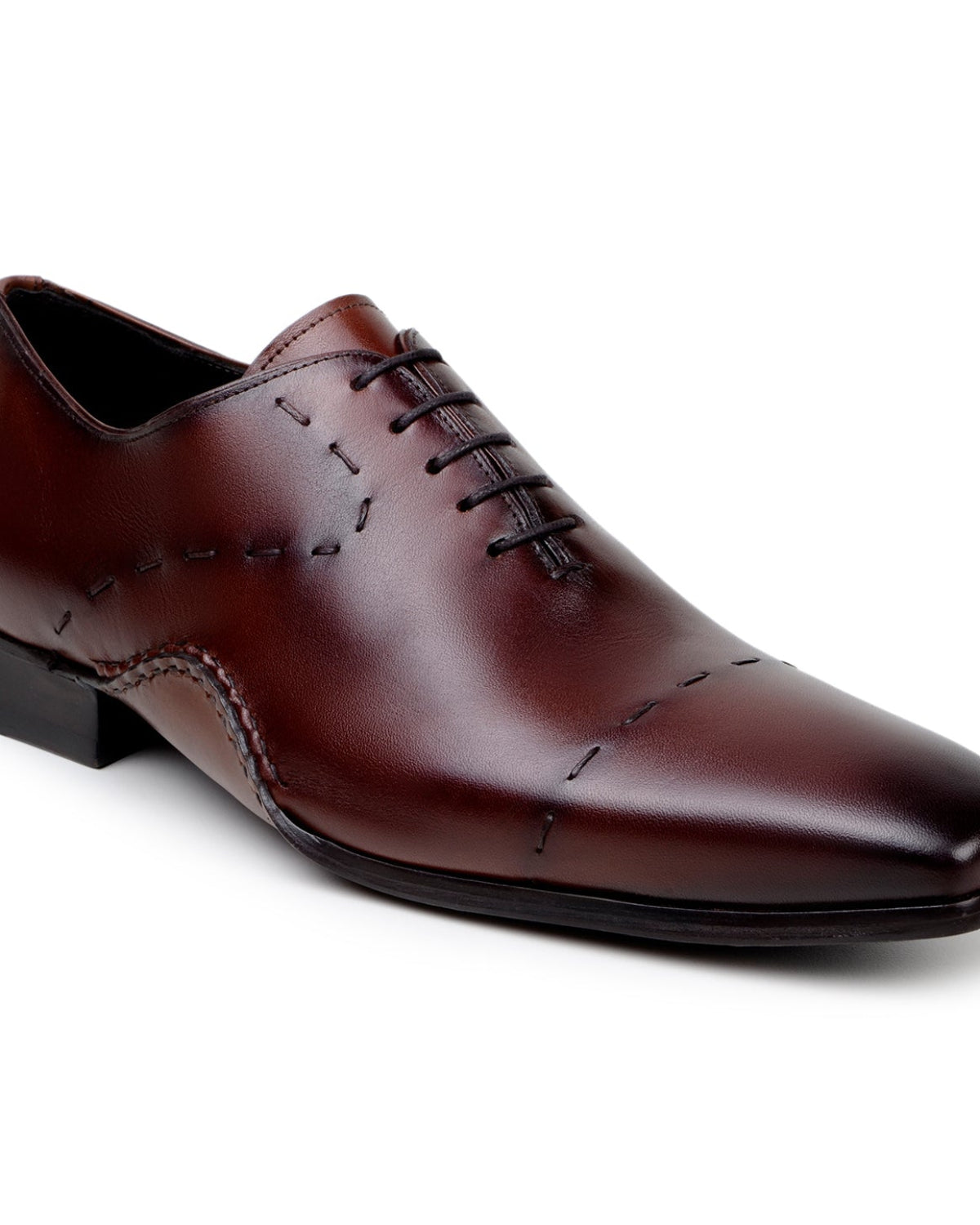
Step 3 - The shoes. Loafers and oxfords are the safe and reliable choice. Chelsea boots and chukka boots work well for a fashion-forward edge. For very casual outdoor settings, well-made sandals can work. The rule: match your shoe color to your suit's base tone and match your belt to your shoes.
Step 4 - The accessories. Walking suits are built for accessories. A gold chain or watch adds personality without competing with the outfit. A pocket square can add a pop of color if the suit is a solid. Sunglasses complete a summer or outdoor look. One or two well-chosen accessories is the target - not a full stack of everything at once.

Frequently Asked Questions
What is a walking suit?
A walking suit is a coordinated two-piece set: a matching button-up shirt and pants designed to be worn together as a complete look. It is more relaxed than a traditional suit but more polished than casual separates.
What is the difference between a walking suit and a regular suit?
A traditional suit is a blazer, dress shirt, and trousers worn with a tie. A walking suit is a matching shirt and pants set worn without a blazer or tie. The shirt is the main piece, worn untucked. Walking suits are more relaxed, more versatile, and generally more comfortable for extended wear.
Can you wear a walking suit to church?
Yes - church is one of the most natural settings for a walking suit. A long sleeve style in navy, burgundy, or charcoal with a coordinating fedora is a complete, respectful Sunday Best look.
Do you tuck in a walking suit shirt?
No. Walking suit shirts are designed to be worn untucked. The shirt is the centerpiece of the outfit - not a layer under a jacket. Wearing it untucked is correct and intentional.
How should a walking suit fit?
Comfortably relaxed but not baggy. The shirt shoulder seam should sit at your actual shoulder. Pants should sit at the natural waist without needing a belt to stay up. Size for chest and shoulders first - those are the hardest areas to alter.
What shoes go with a walking suit?
Loafers and oxfords are the classic choice. Chelsea boots and chukka boots work for a bolder look. Match the shoe color to the suit and always match your belt to your shoes.
Ready to find your first walking suit? Browse the full collection at Suits & More - long sleeve, short sleeve, prints, tone-on-tone, and more. Easy returns within 30 days if the fit is not right.
Shop All Walking Suits · Size Chart · Shop Hats
Read More
Why Walking Suits are Stealing the Spotlight at Modern Weddings
The Walking Suit You Deserve: Get Yours Now, Applaud Your Foresight Later
The Resurgence of Walking Suits: A Walkthrough of Stylish Comfort
Elevating Cocktail Hour: The Emergence of Walking Suits as Icons of Casual Sophistication